PERMACULTURE DESIGN COURSE













OUR 20TH ANNUAL!*
COST:
$3100
Early Bird Discount:
$2885 (registering by Feb 28, 2026
(Course is now FULL
Please email to get on the wait list).
Inquire about bringing your children.
DEPOSIT:
$350
Registration open until course fills.
Scholarships available for those working in public spaces or with children. A letter of inquiry detailing how the training will be applied and your background in this work gets this process going.
Work-traders: 5 spots go to those supporting the course on site for a significant discount.
Both are full for 2026.
Course Overview
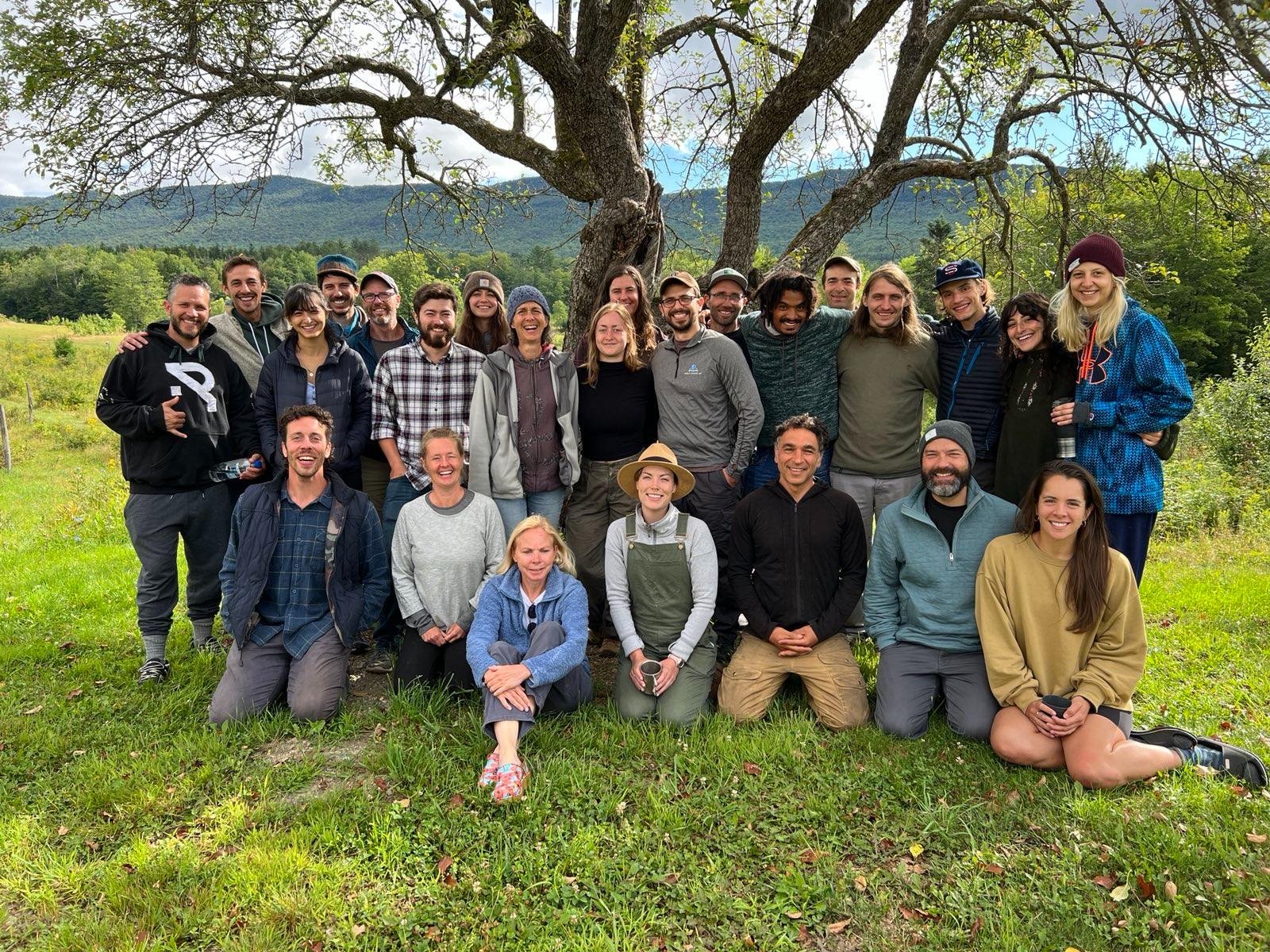
Immerse for 10 days in a regenerative paradise - in what is likely to be our last full length PDC for some years.* Recalibrate your life to ecological rhythms by jumping into the mountains, streams and dark skies of Vermont at high summer with others from across the US and abroad. Eat and drink from this land, immerse in her waters, inhale the direct life-changing encounter with regeneration and resiliency that this place and experience offers. Join site design veterans Ben Falk, Mark Krawczyk, Erik Schellenberg, Erica Koch ND, and other masters of their craft as they share from their decades of regenerative living experience and insight.
*As our instructor team raises small children we plan to take some years off our full-length offering and move to a ~4 day skill intensive model. 2026 will likely be our last full time PDC - at least for awhile.
The WSD Permaculture Design Course is a ten-day experience in applied ecological design and living. This is our flagship offering now in its 20th rendition. The course offers an unparalleled, hands-on opportunity to gain permaculture exposure immersed in two of North America's most diverse permaculture research sites, with site visits to Mark’s farm. The course applies the core Permaculture Design curriculum, including applications of Permaculture in a range of settings, and strategies for meeting human needs via mutually beneficial participation in our ecosystems. Join us in developing new solutions to unprecedented challenges.
Enrollment open until filled, secure your spot with a deposit today.
“Ben,
Your PDC was transformational for me and obviously the relationship with you and Cornelius and WSD has been transformational for our practice here.”
Warm regards,-Newell Shinn, Co-Owner South Mountain Co. Martha’s Vineyard
The Curriculum
This course goes beyond the typical Designer's Certification Course by utilizing the background of skills-based training offered by Whole Systems Skills, and is filled with practice-based, learning-by-doing experiences, not just concept-based study. Participants engage with high-performance home and community resource systems that are more resilient in the face of problems posed by peak oil, climate change, environmental toxicity, and the inability of existing economic and social systems to deal with such challenges. More on curriculum below.
Learning in Living Systems
We study mature, high functioning systems including most or all of the following:
A high-performance cold climate home and established zone 1 gardens, 22 years in place, another larger farm-scale site 12 years in, and Mark’s site 10 years in.
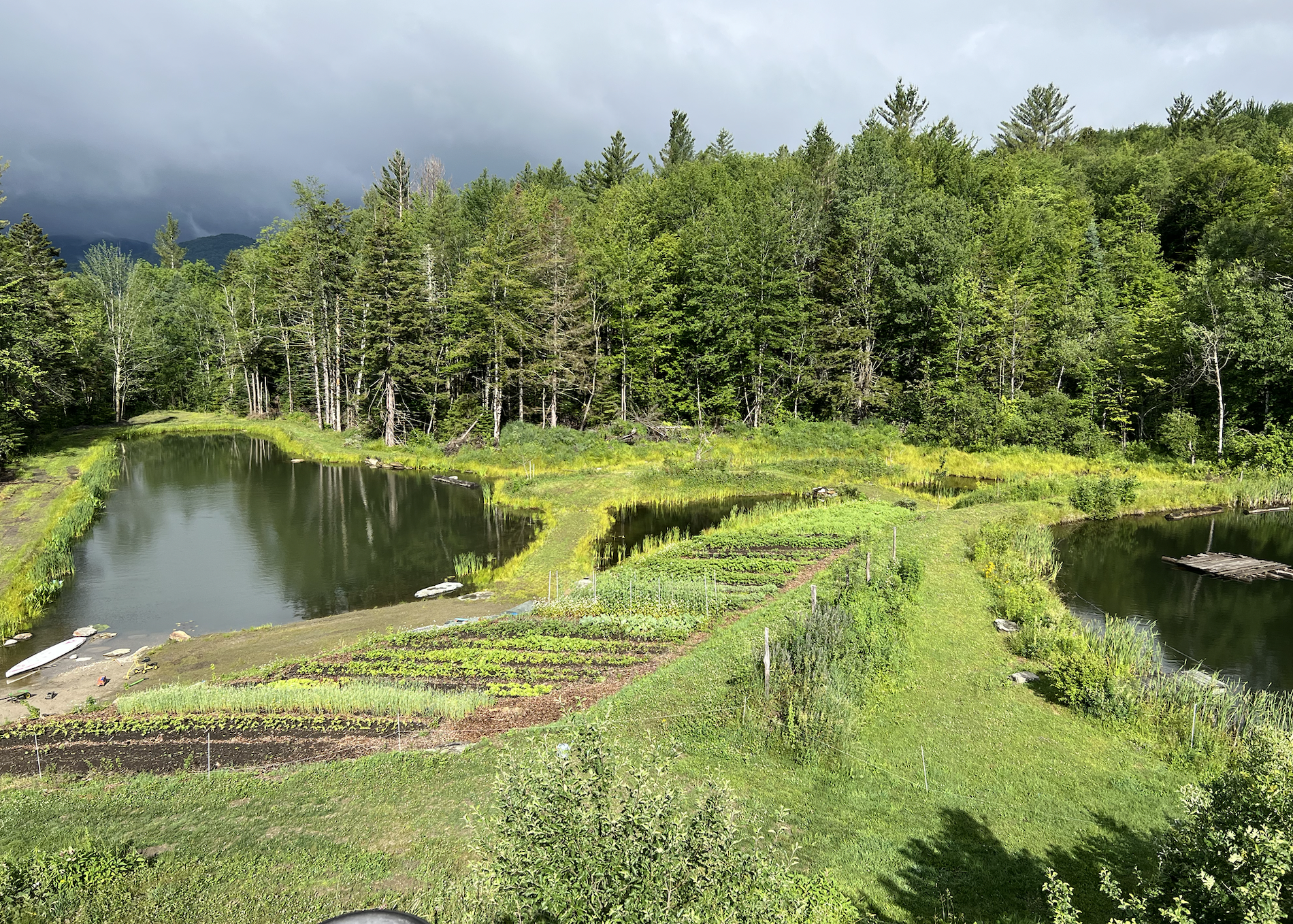
Mature fruit, nut, pond, zone 1 homestead systems
A high-performance earth-sheltered greenhouse in year 14
A root cellar, meadery and established food preservation strategies
Established medicine gardens and medicine-making techniques in use
A working homestead shop, barn, and much else well into its 2nd decade
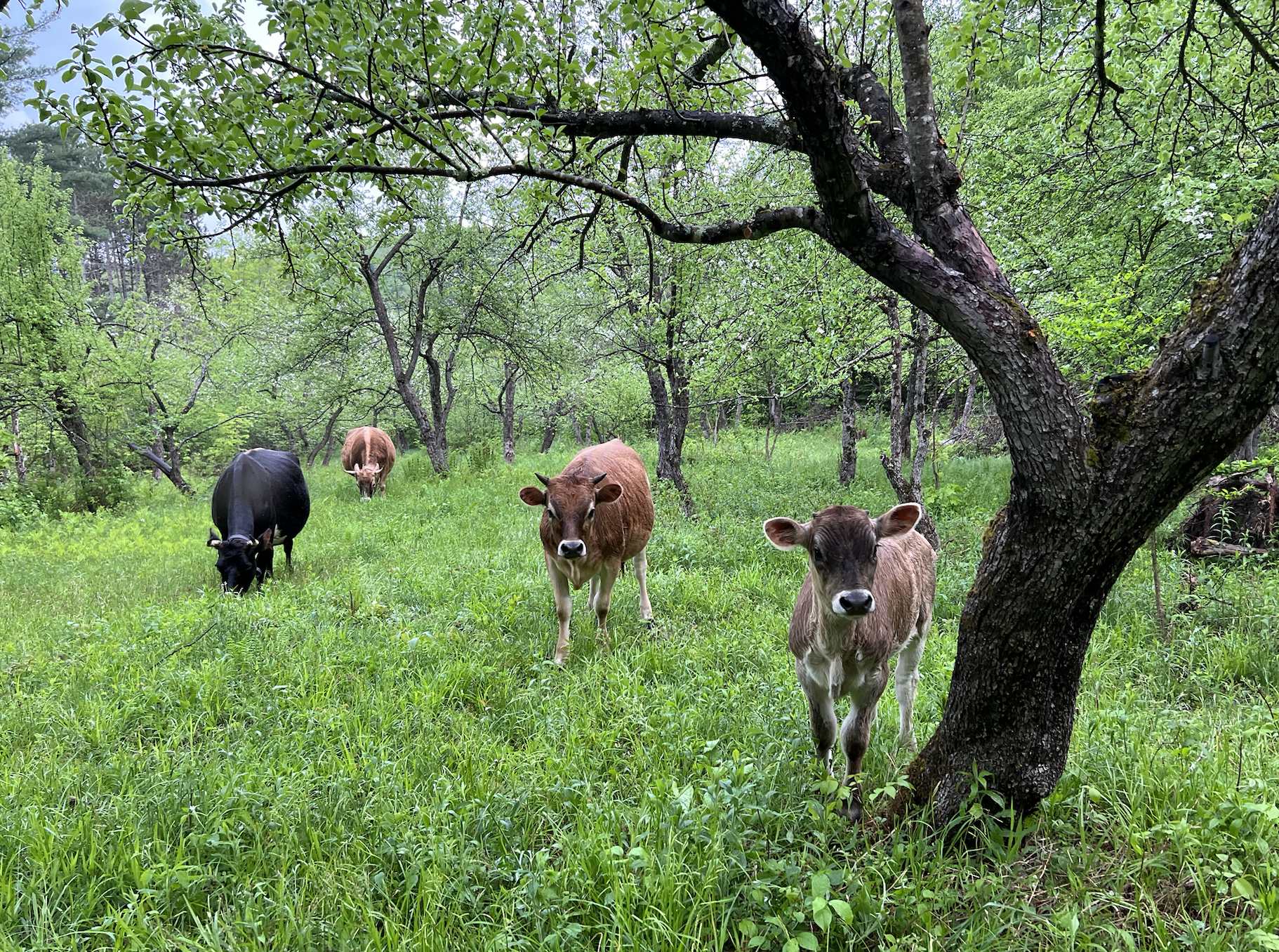
7,000 feet of agroforestry hedges and farm-scale permaculture plantings in year 12
living soils, soil food webs, what composes high quality soil and how make it
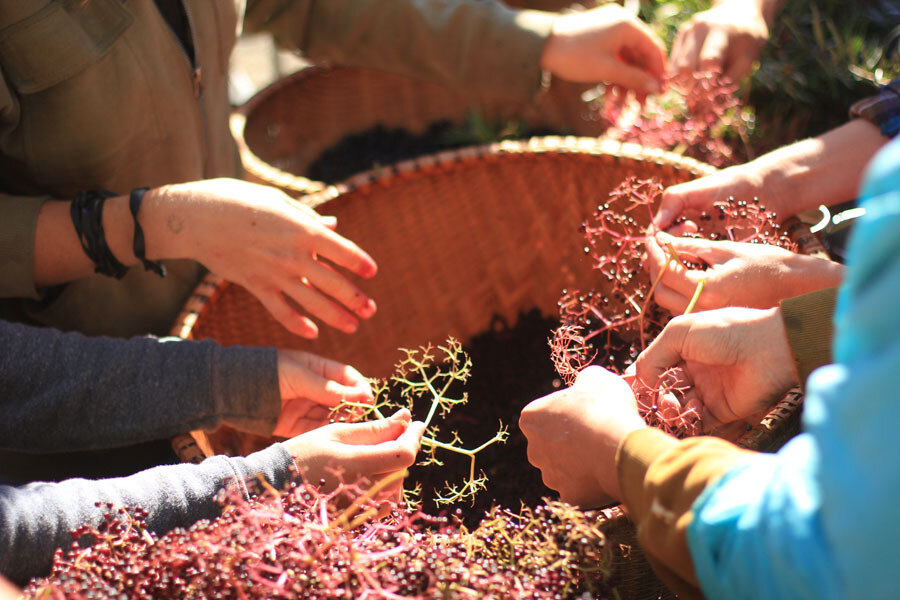
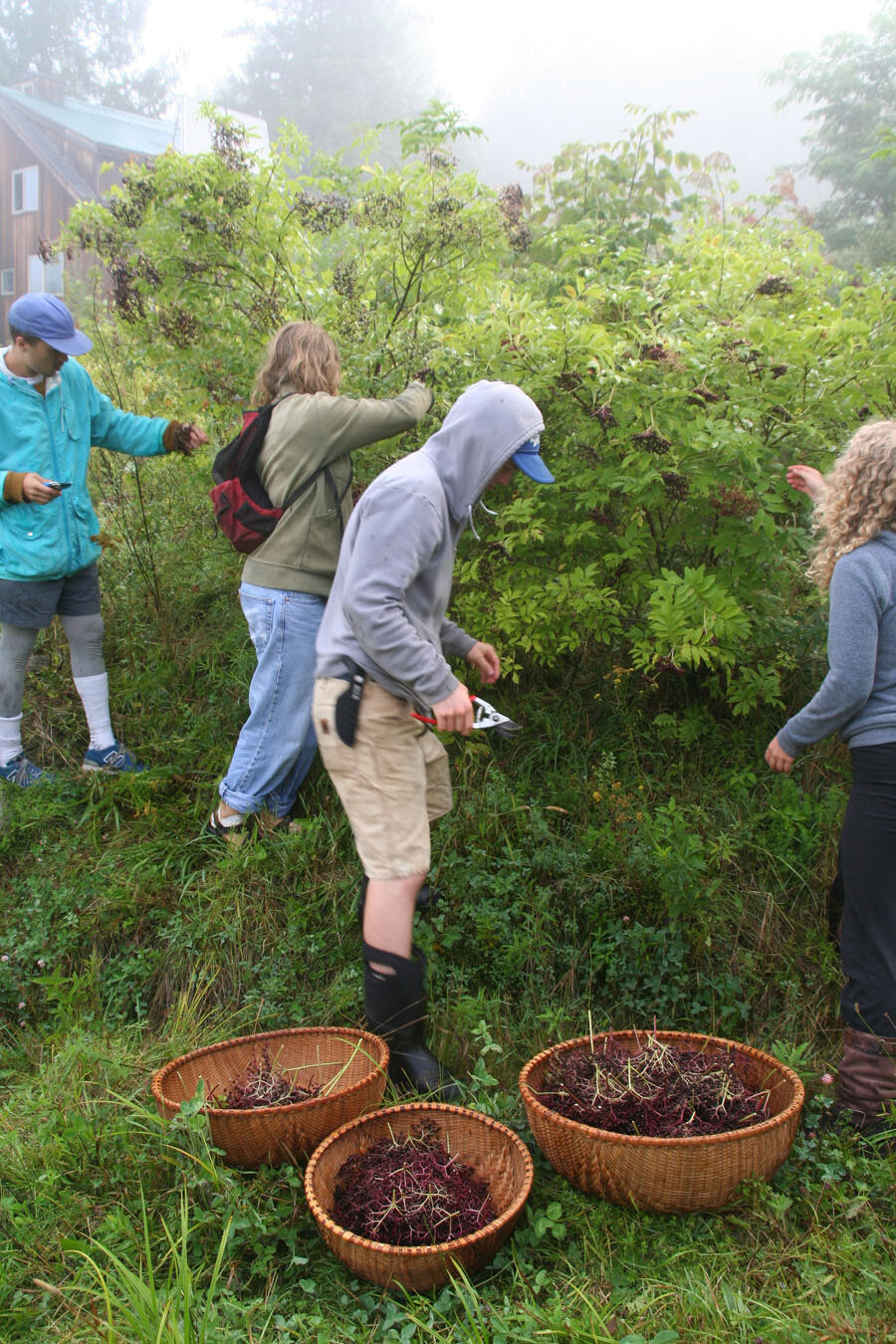
Lectures and hands-on work explore bioregional strategies, ecological history of the northern forest bioregion, energy and nutrient cycling, watershed health, gravity-fed water systems, tree crop care, agroforestry, mushroom inoculation and management, rapid soil building, and more.
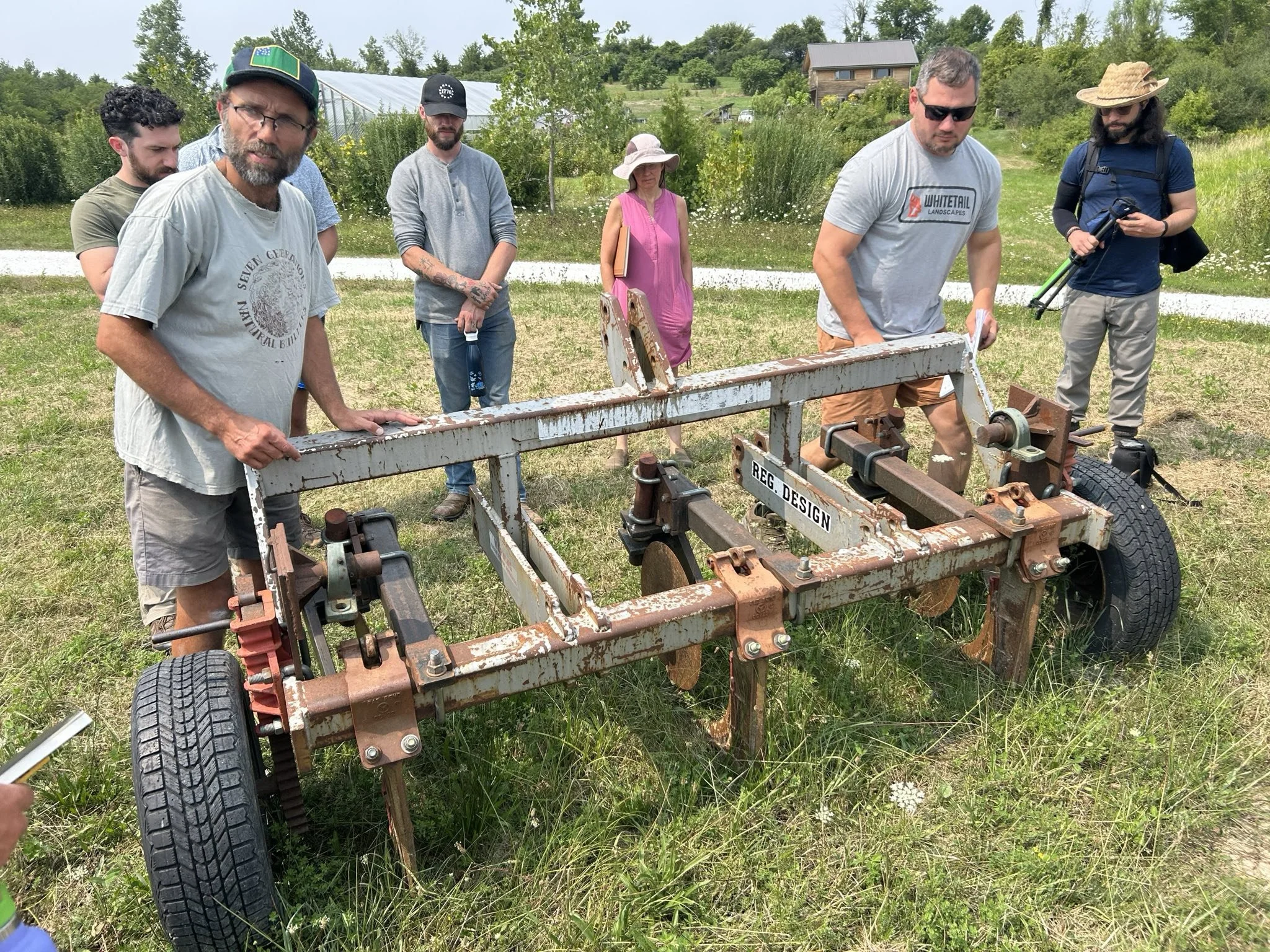
We practice hands-on skills development such as:
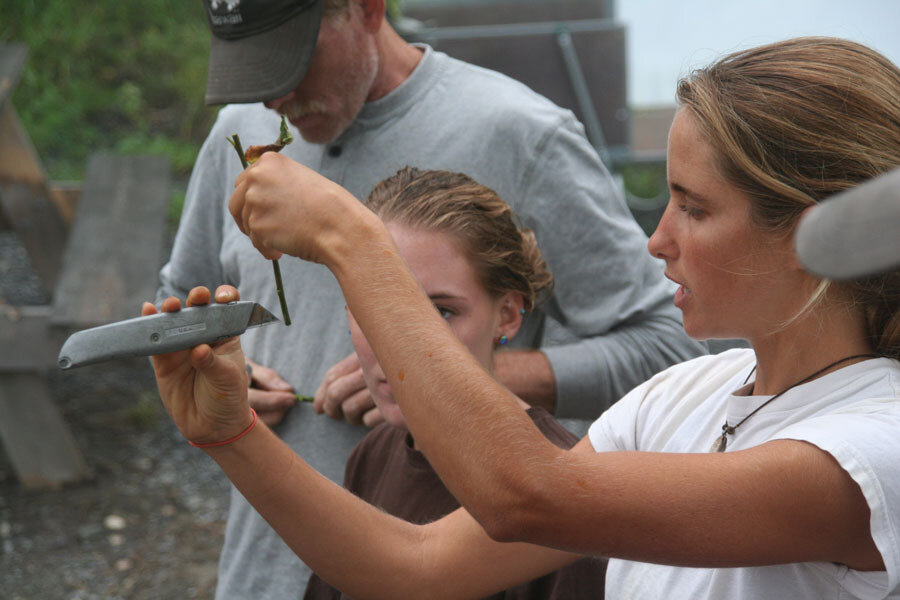
planting & propagating trees
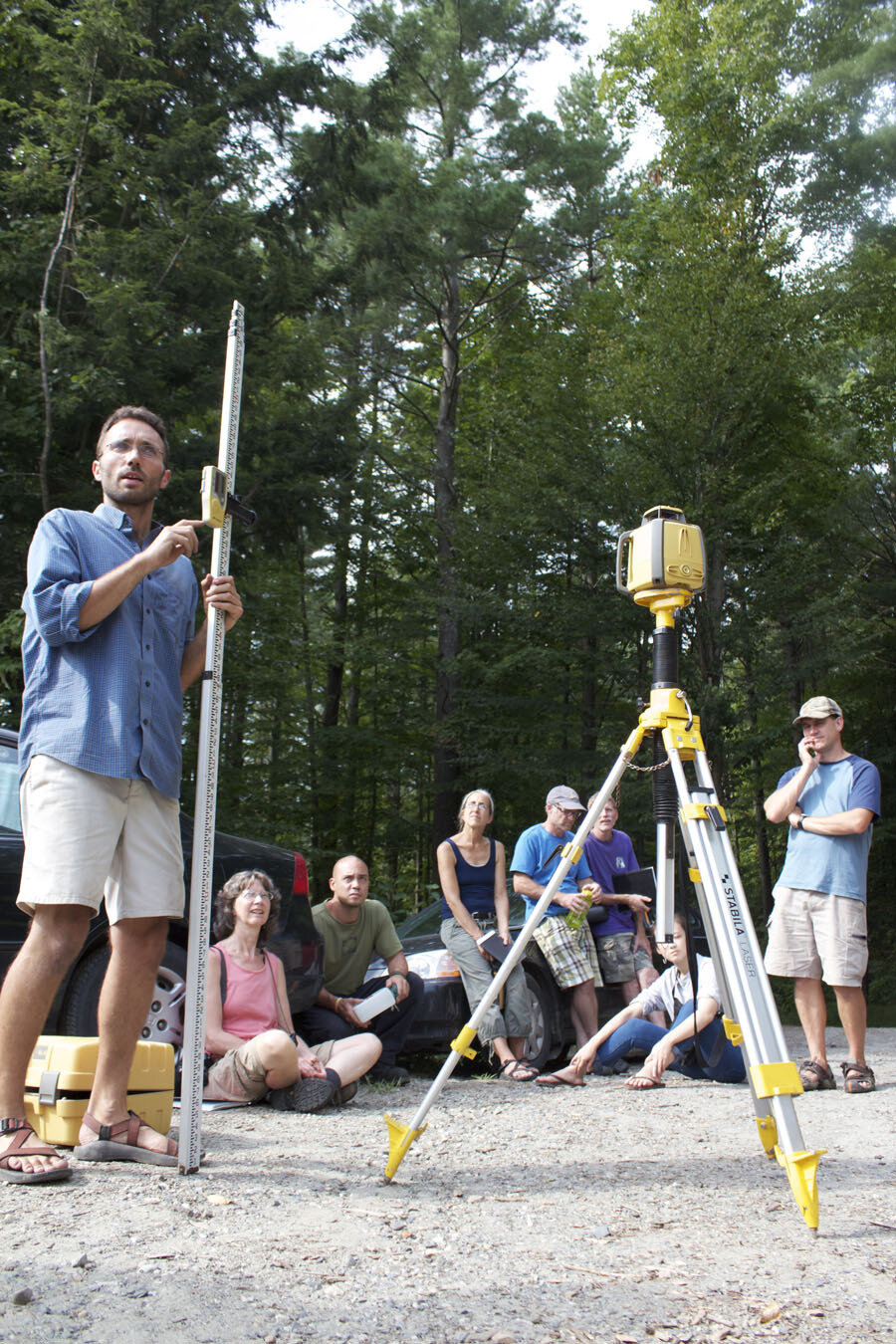
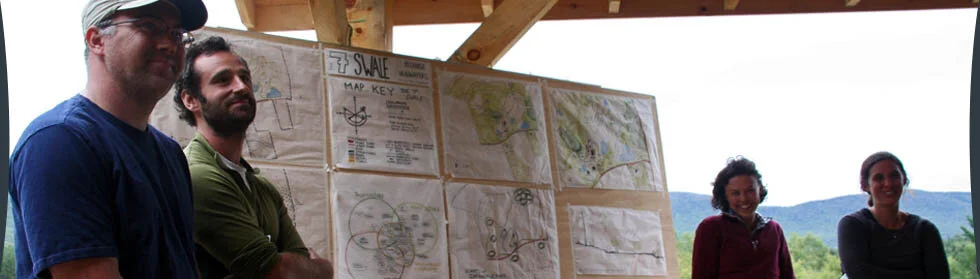
laying out swales on contour and specific % pitches for water and soil regeneration
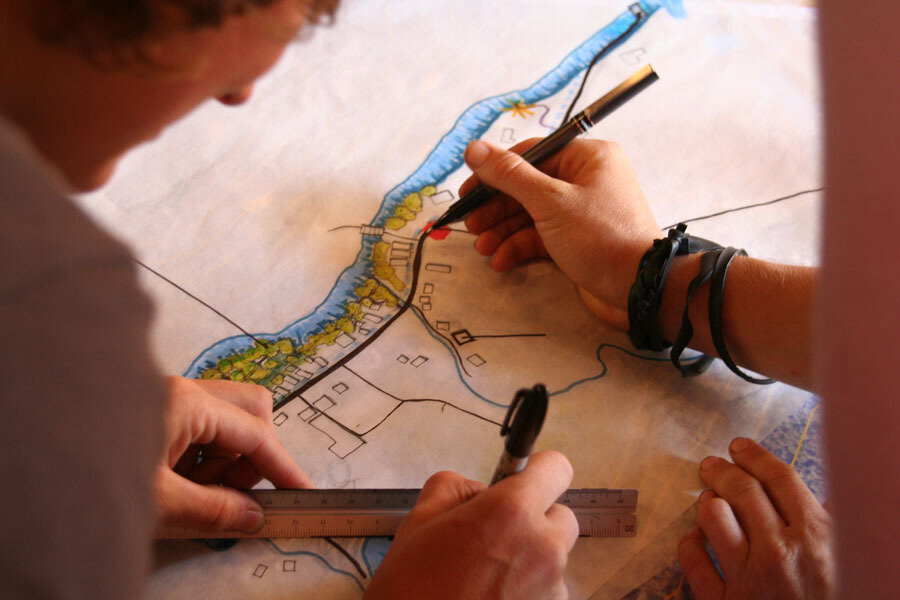
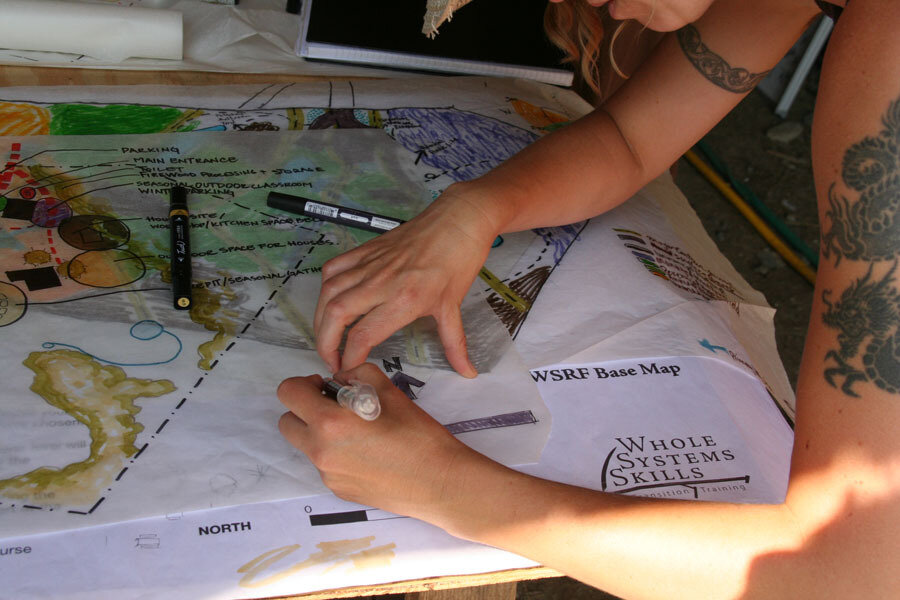
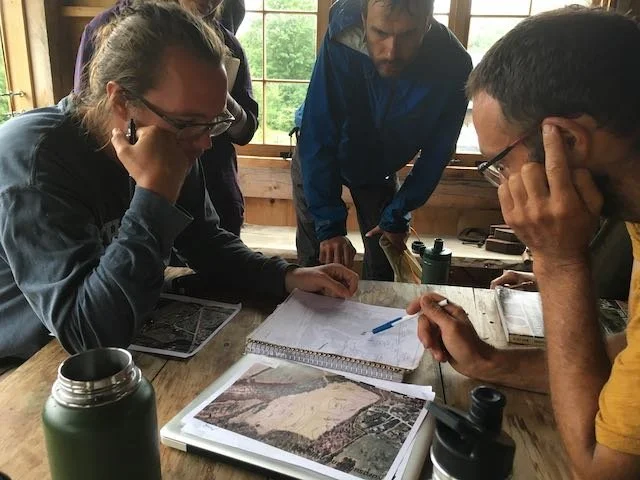
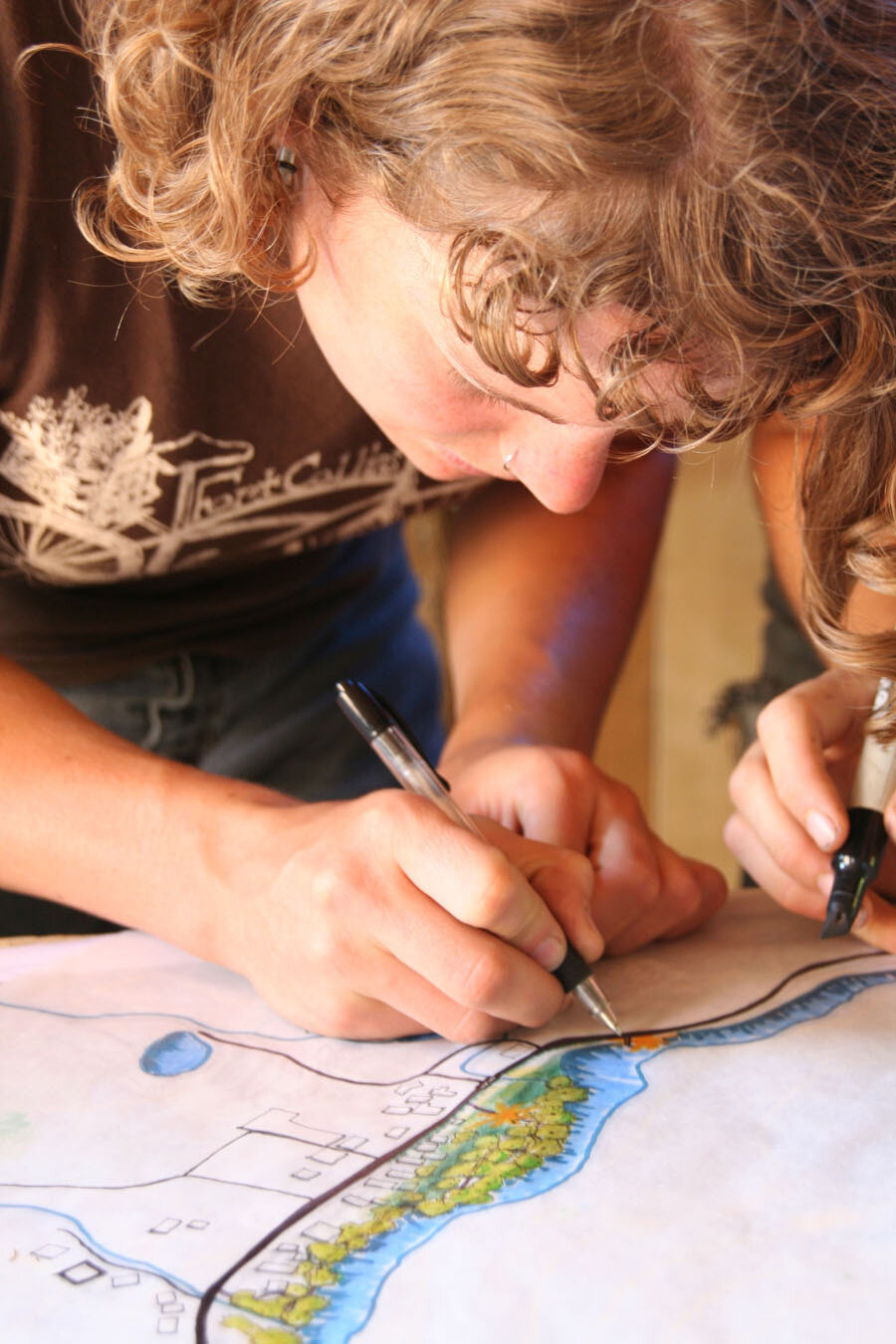
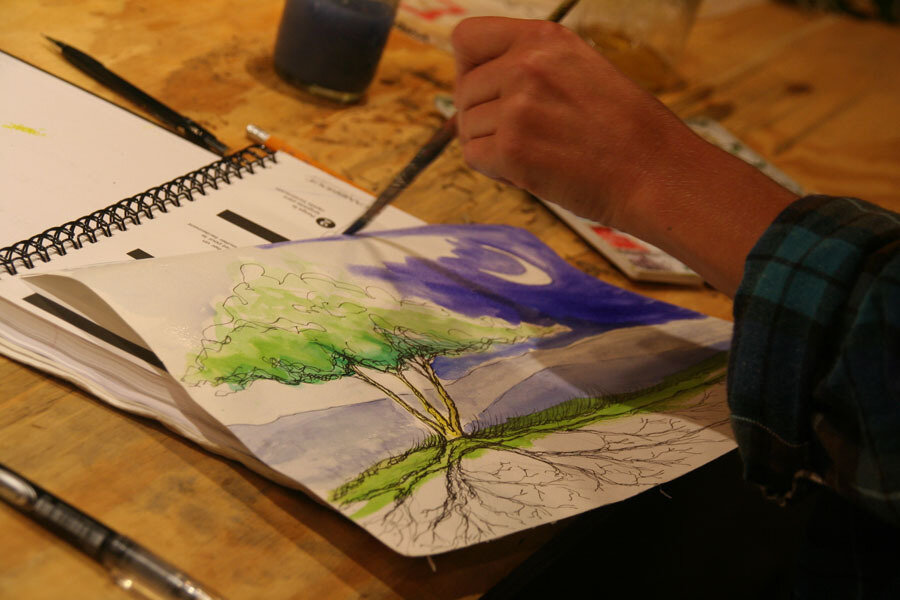
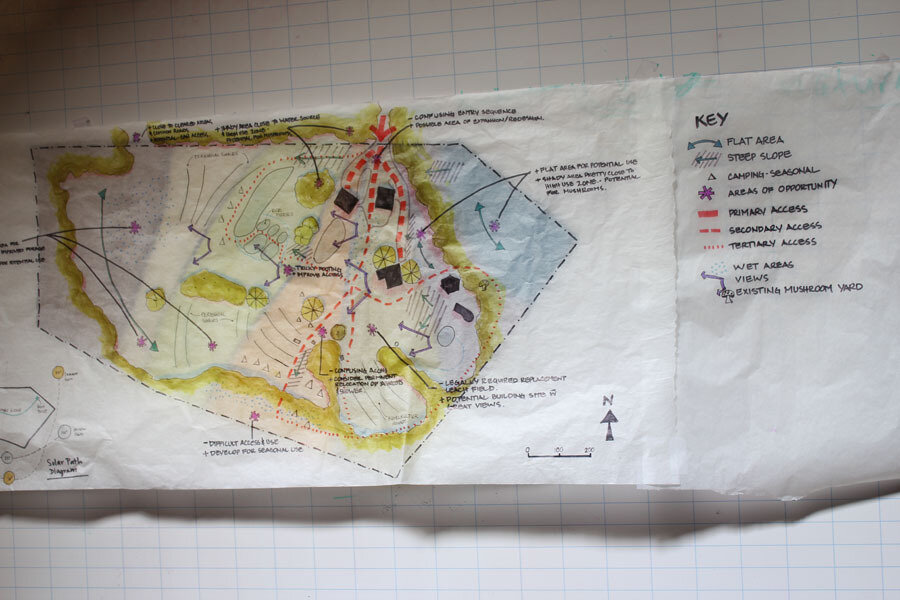
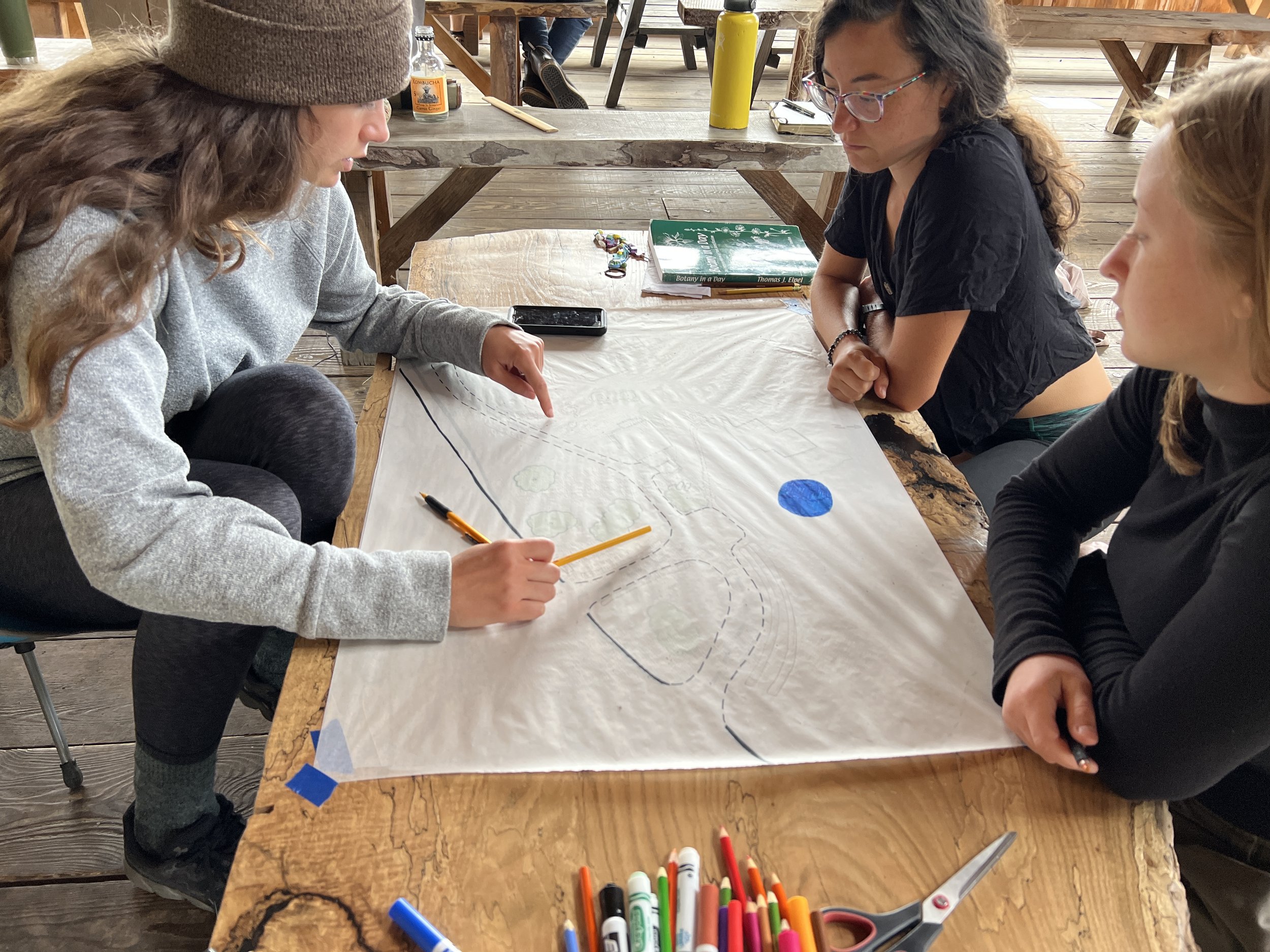
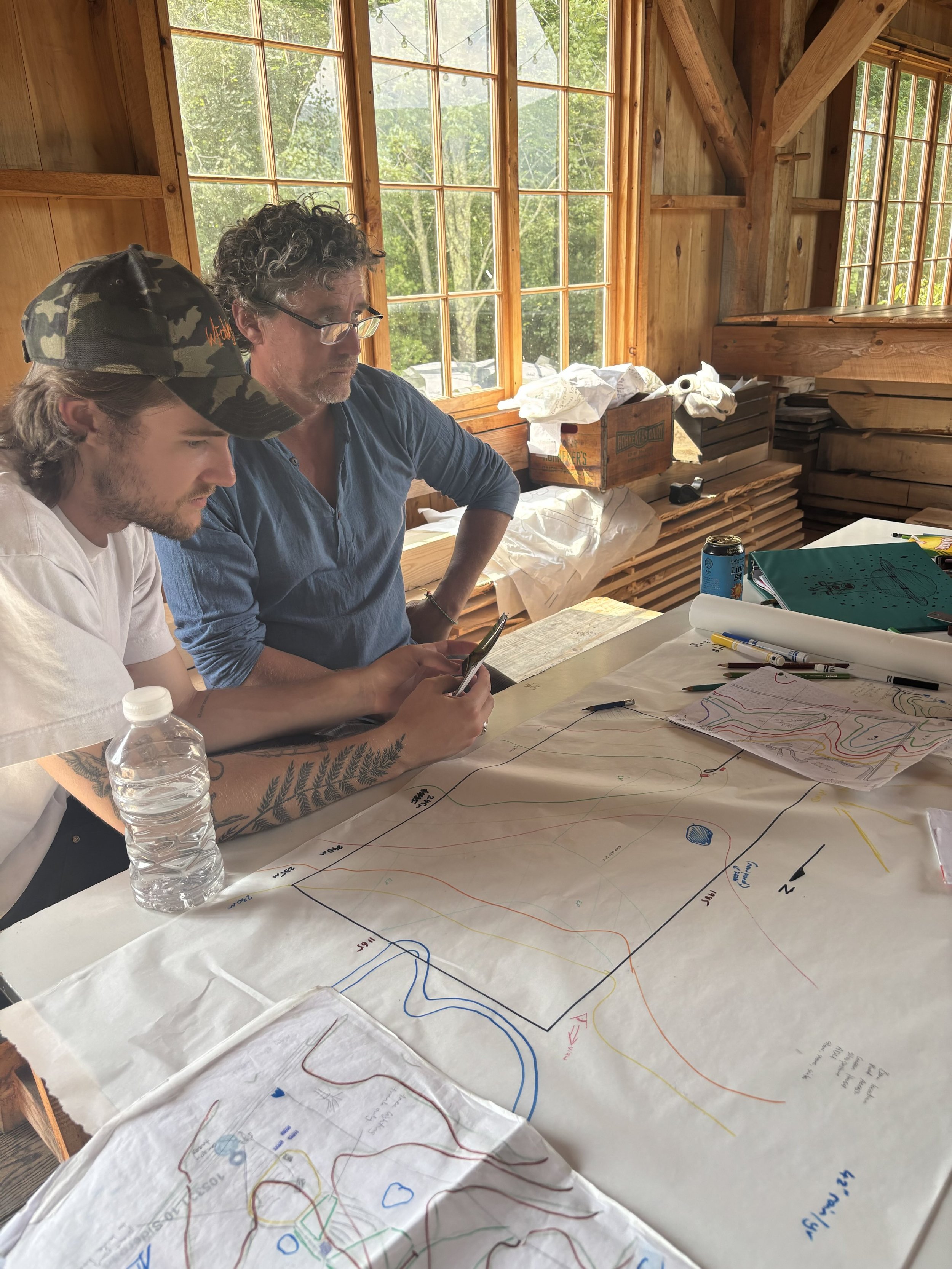
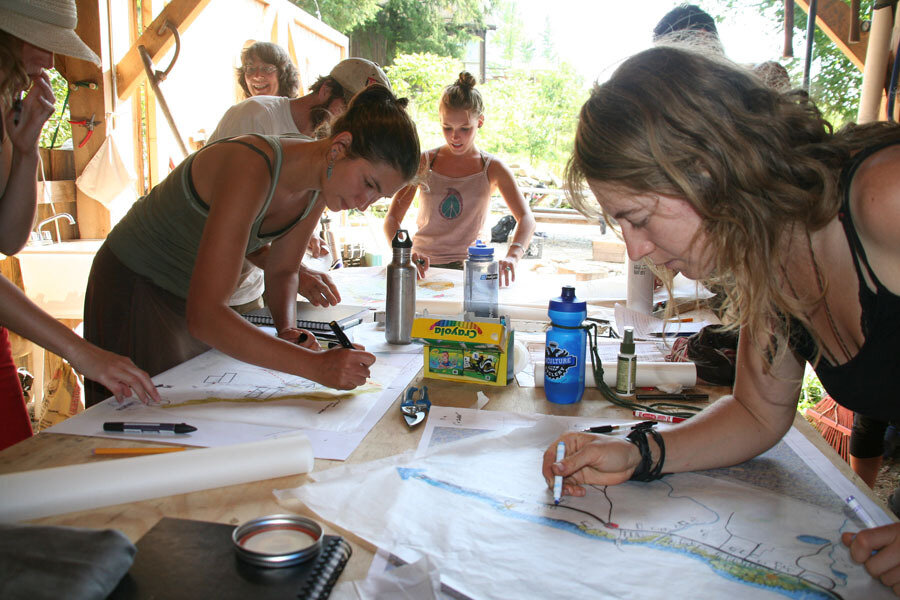
site mapping and to scale plan-making
harvesting biomass with scythes
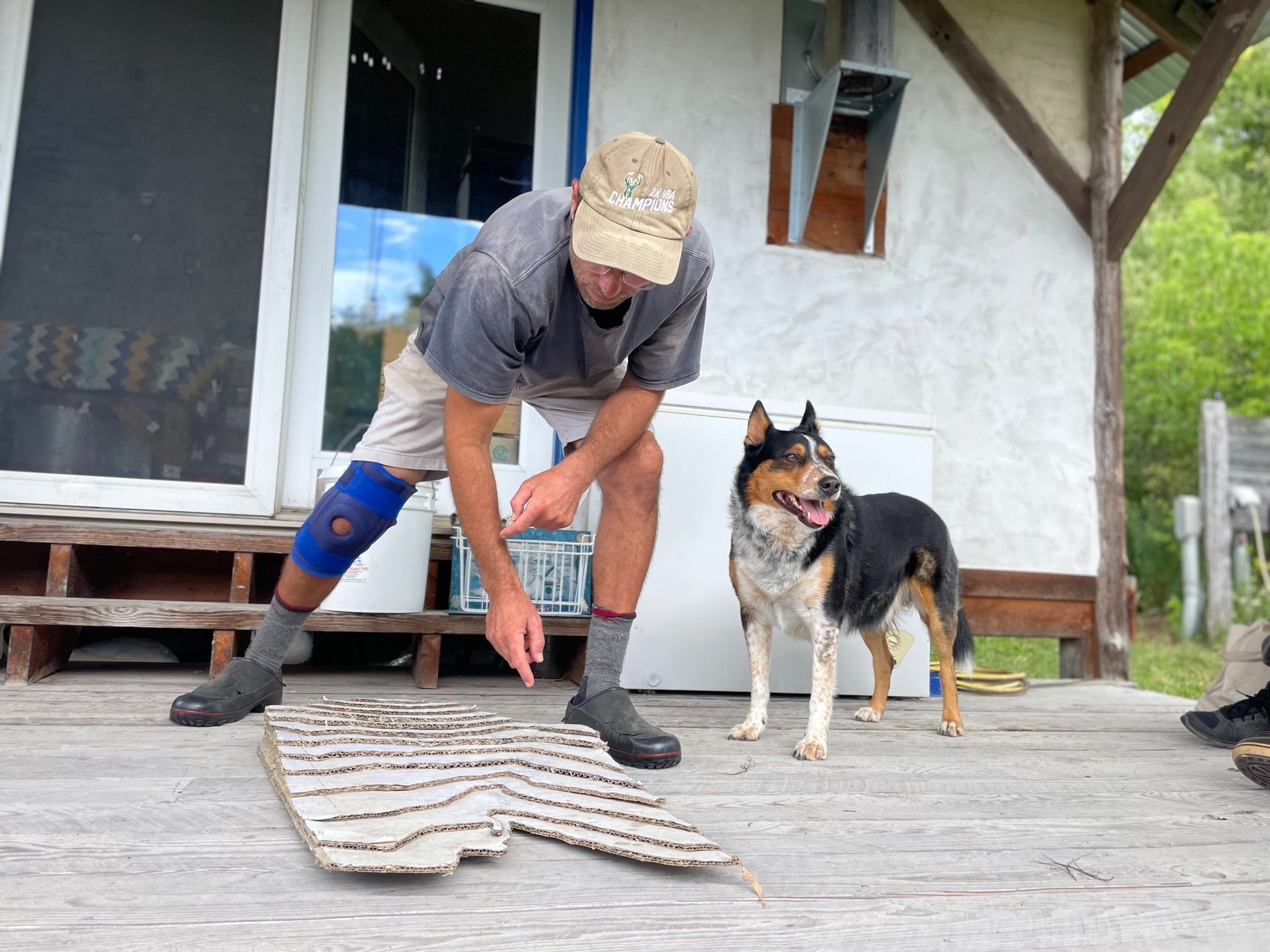
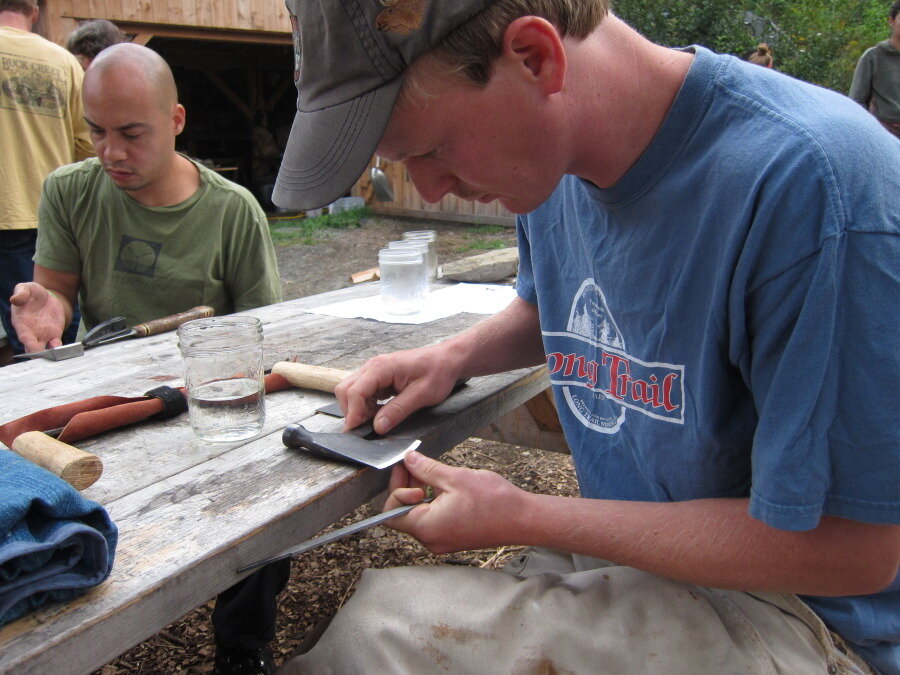
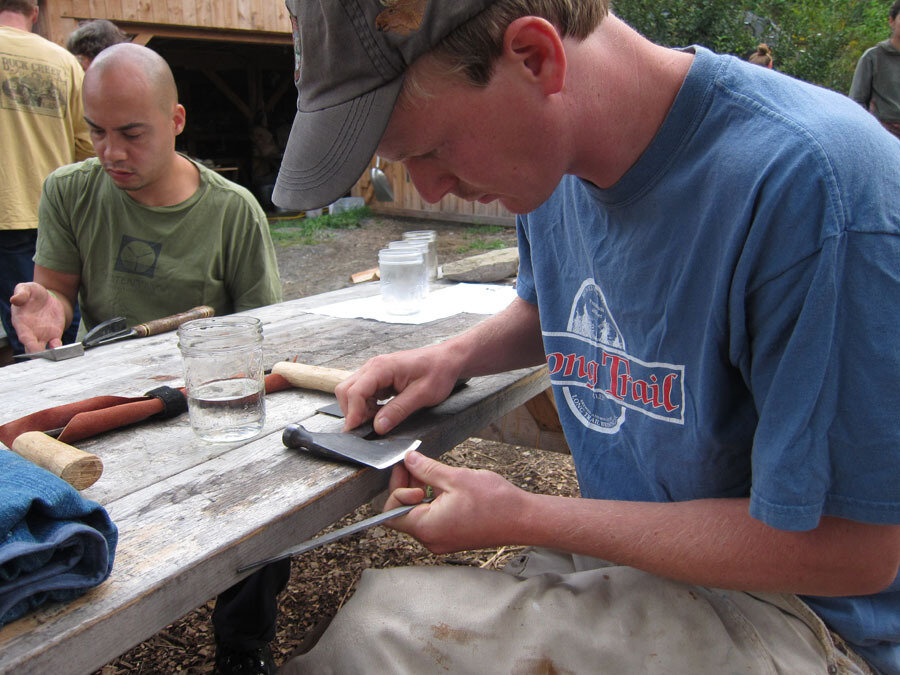
sharpening and maintaining tools
knots 101
harvesting water
mushroom propagation
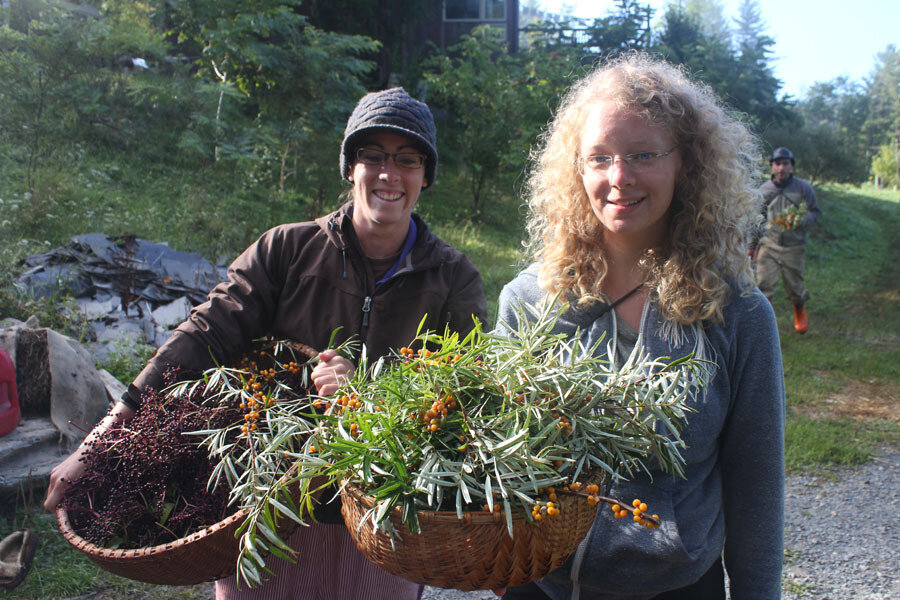
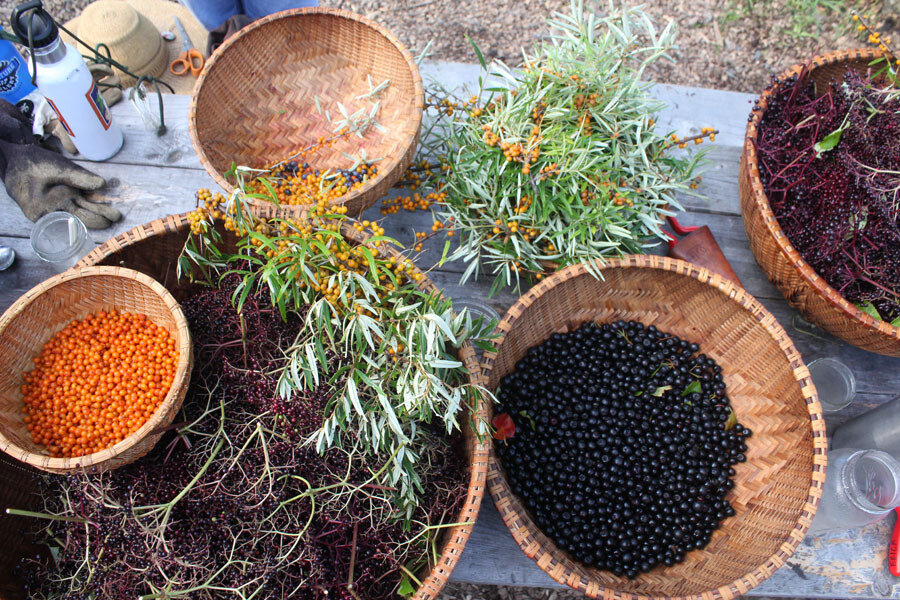
reverse wildcrafting
herbal medicine
wild fermentation
much, much more
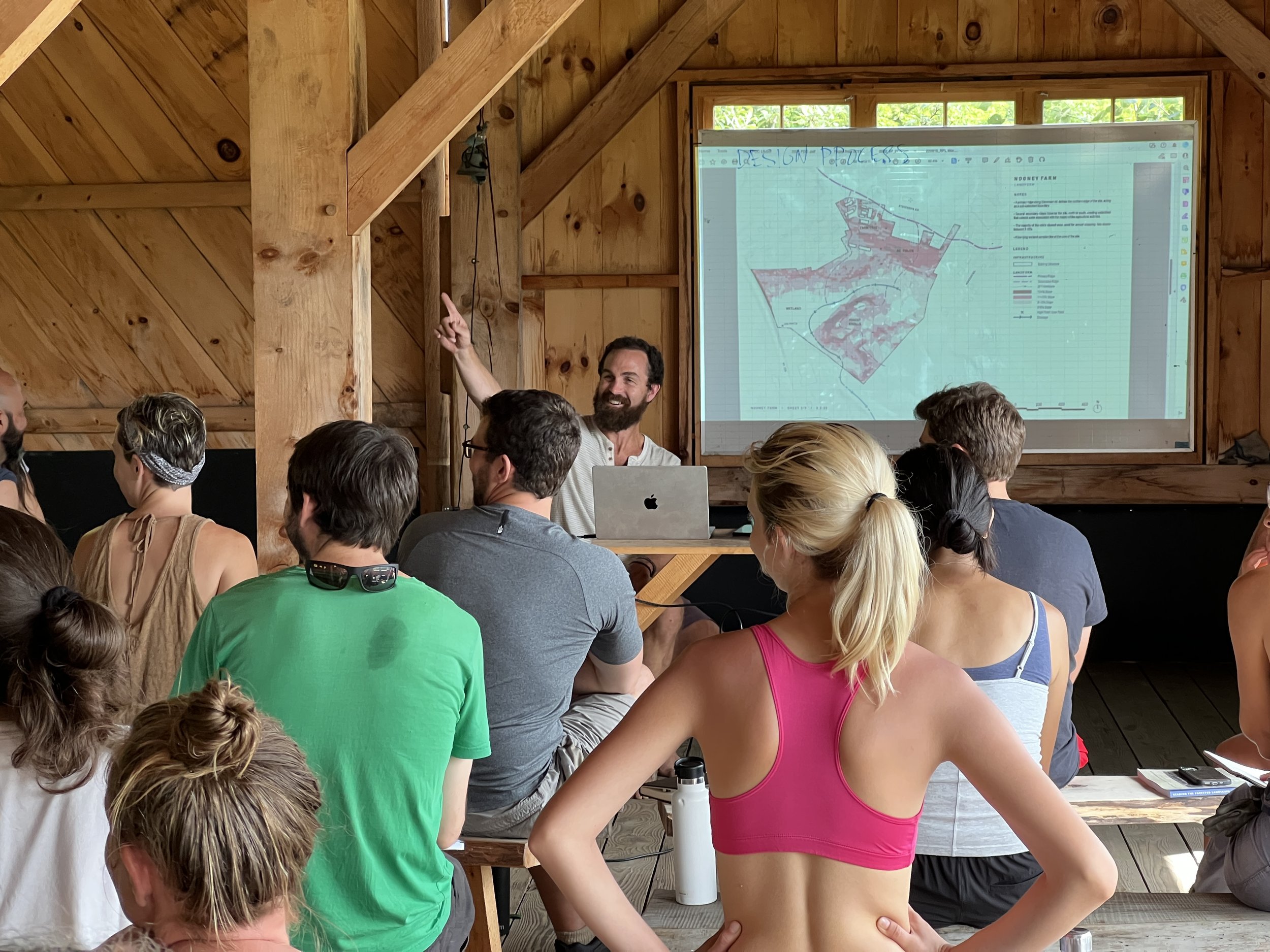
The course concludes with students doing their own group Permaculture site design.
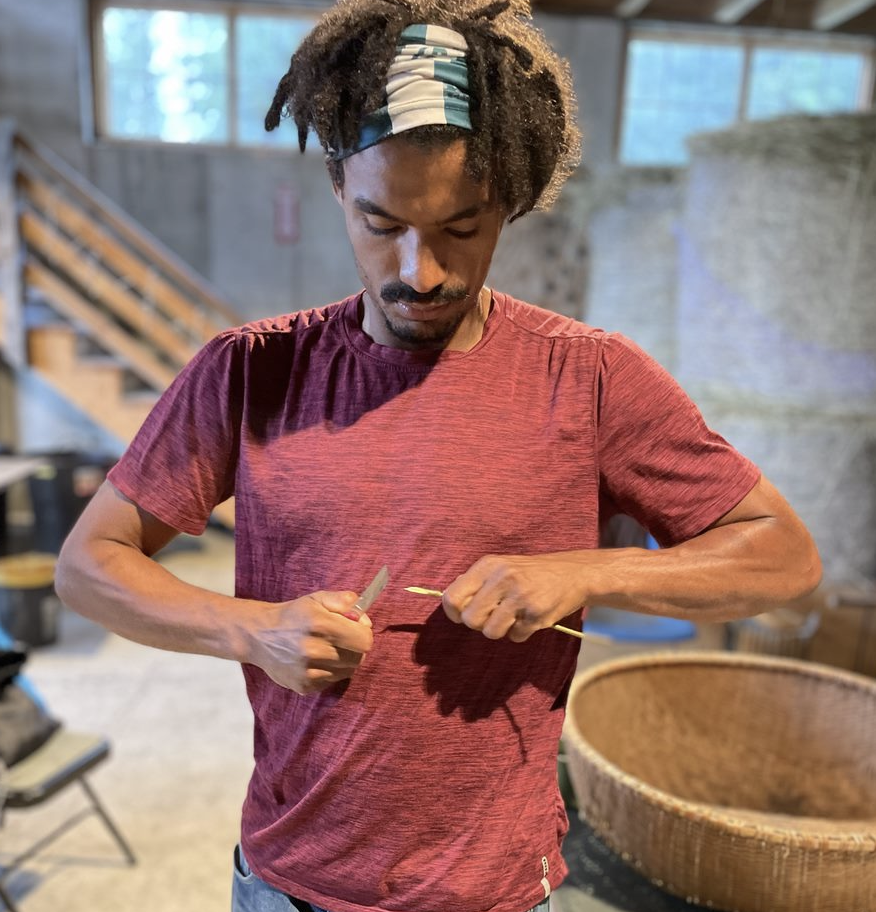
Students are encouraged to bring tools to practice with and skills with which to share in the group. There is ample time for group skill sharing as past courses were filled with experts in various disciplines relating to permaculture.
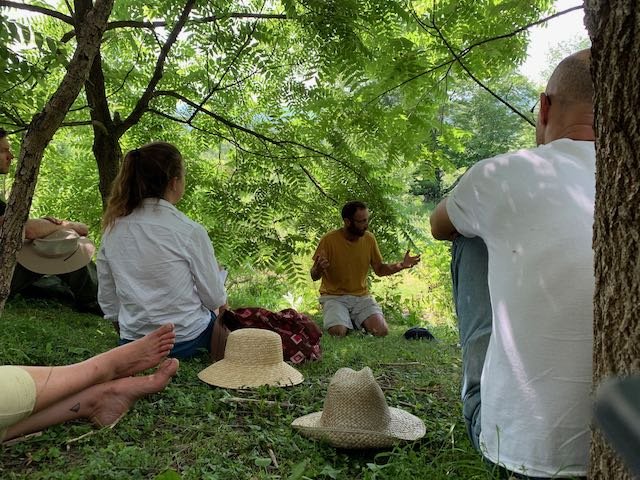
Nick Neddo during his tracking and awareness session
“The Whole Systems Research Farm has what it takes to make the concepts [of permaculture] a reality.”
The Sites
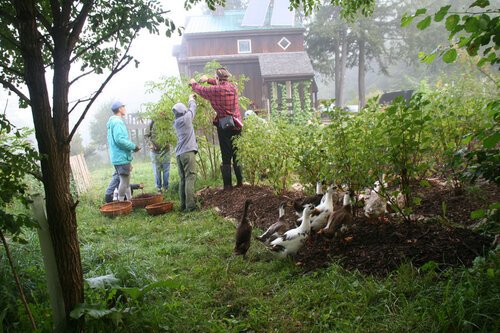
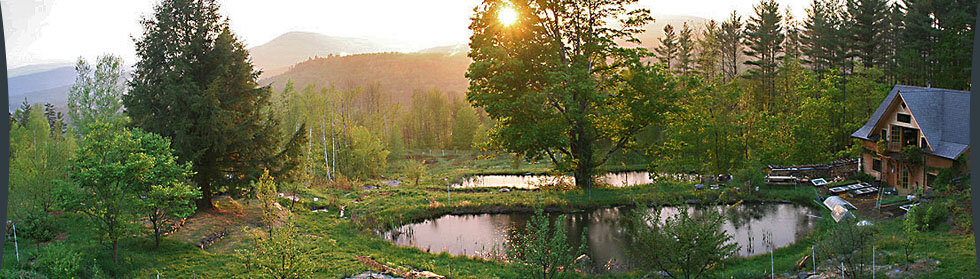
Now 23 years in the making, the original WSD homestead site manifests numerous cutting-edge design opportunities for developing a self-reliant, liberated lifestyle customized for the cold climate, temperate biome. A second site is well underway in year 12 at a commercial permaculture farm scale by applying lessons learned over the first decade at the earlier site. This course is not permaculture as a fantastic idea: it's an immersion in how numerous systems work over time on complex sites — it’s proof of concept - both what has stood the test of time and what has not. We also visit Mark’s phenomenal small farm 30 minutes away.
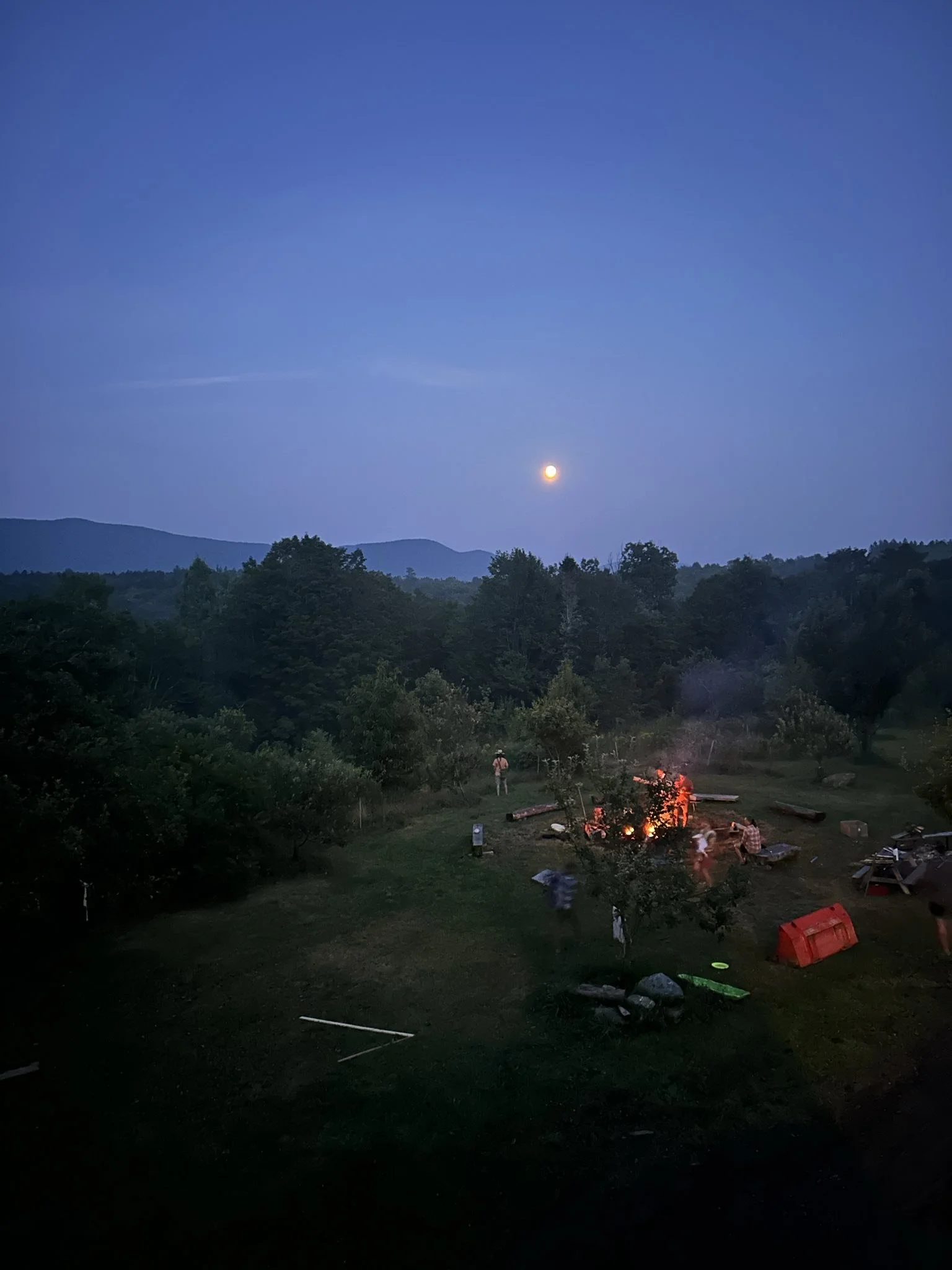
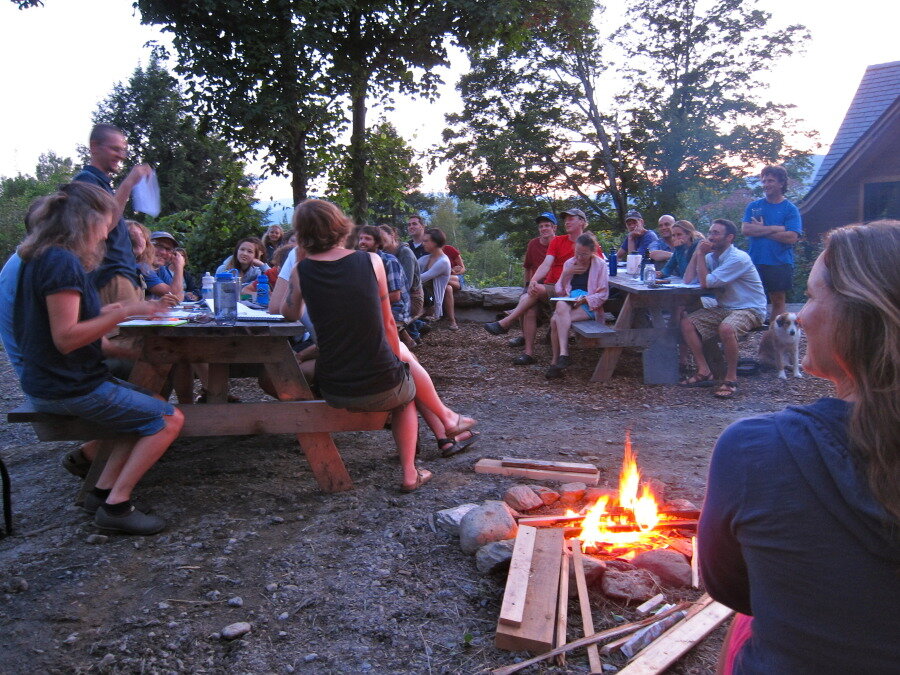
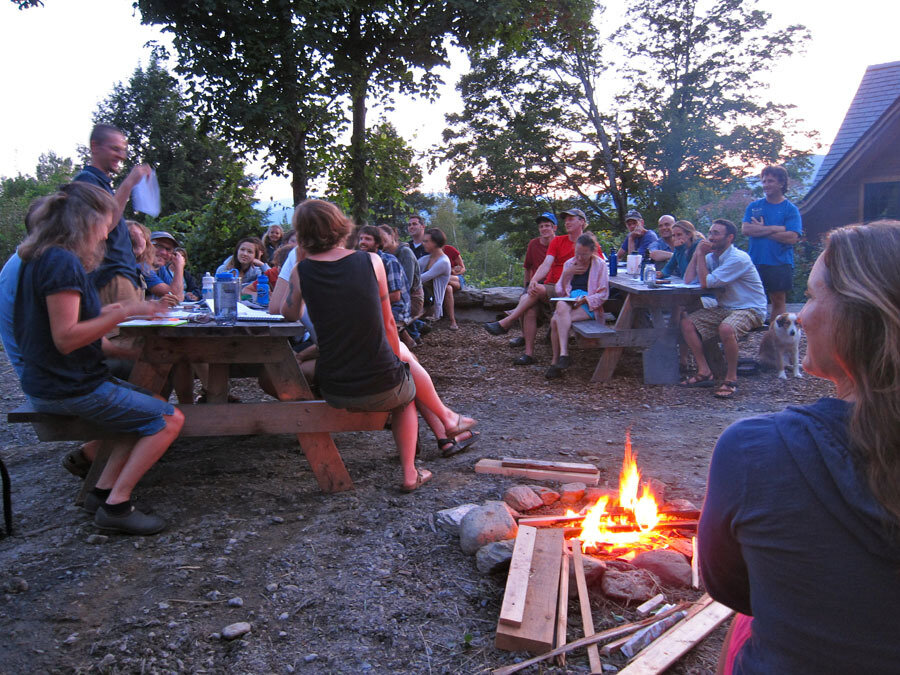
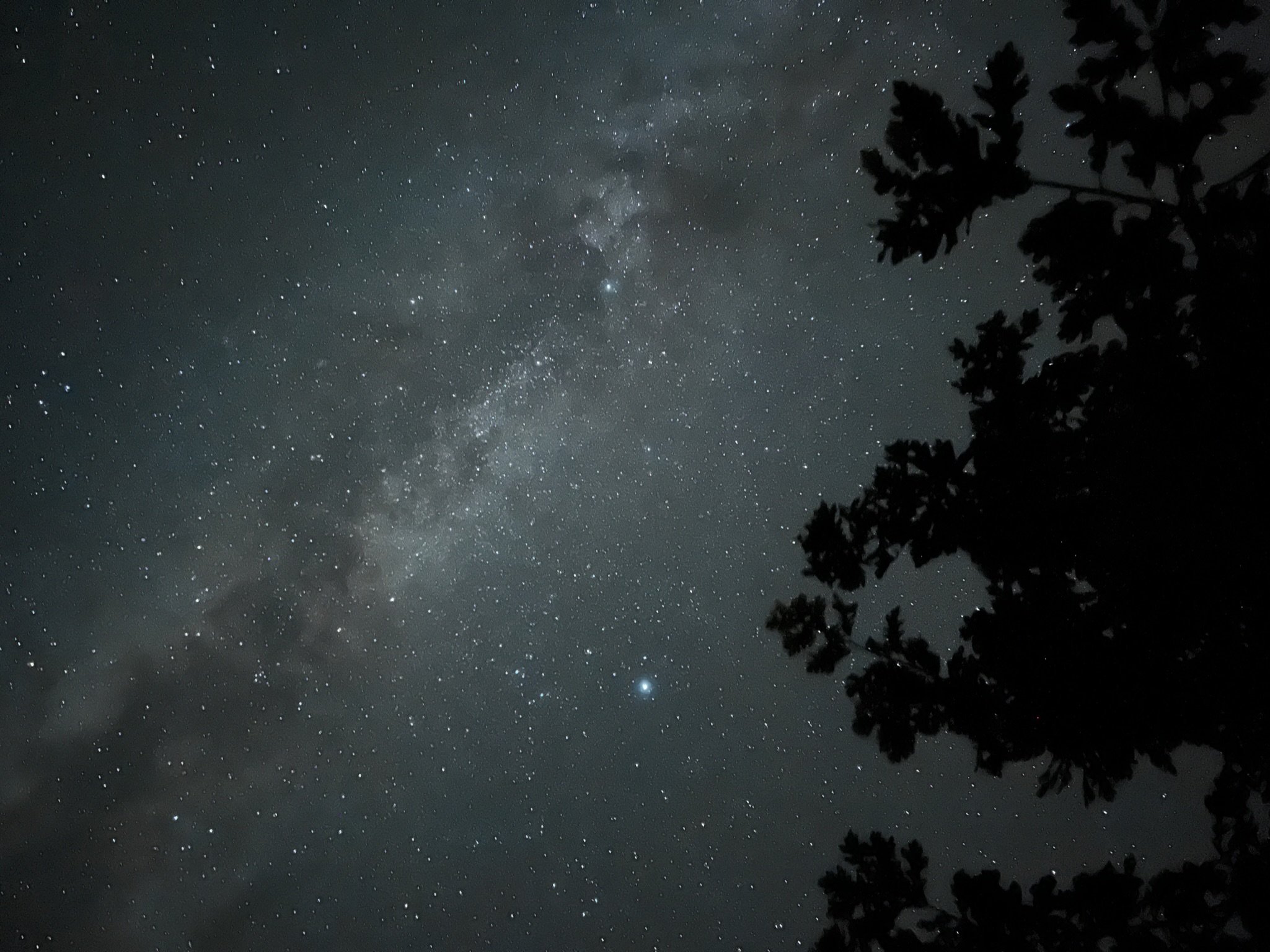
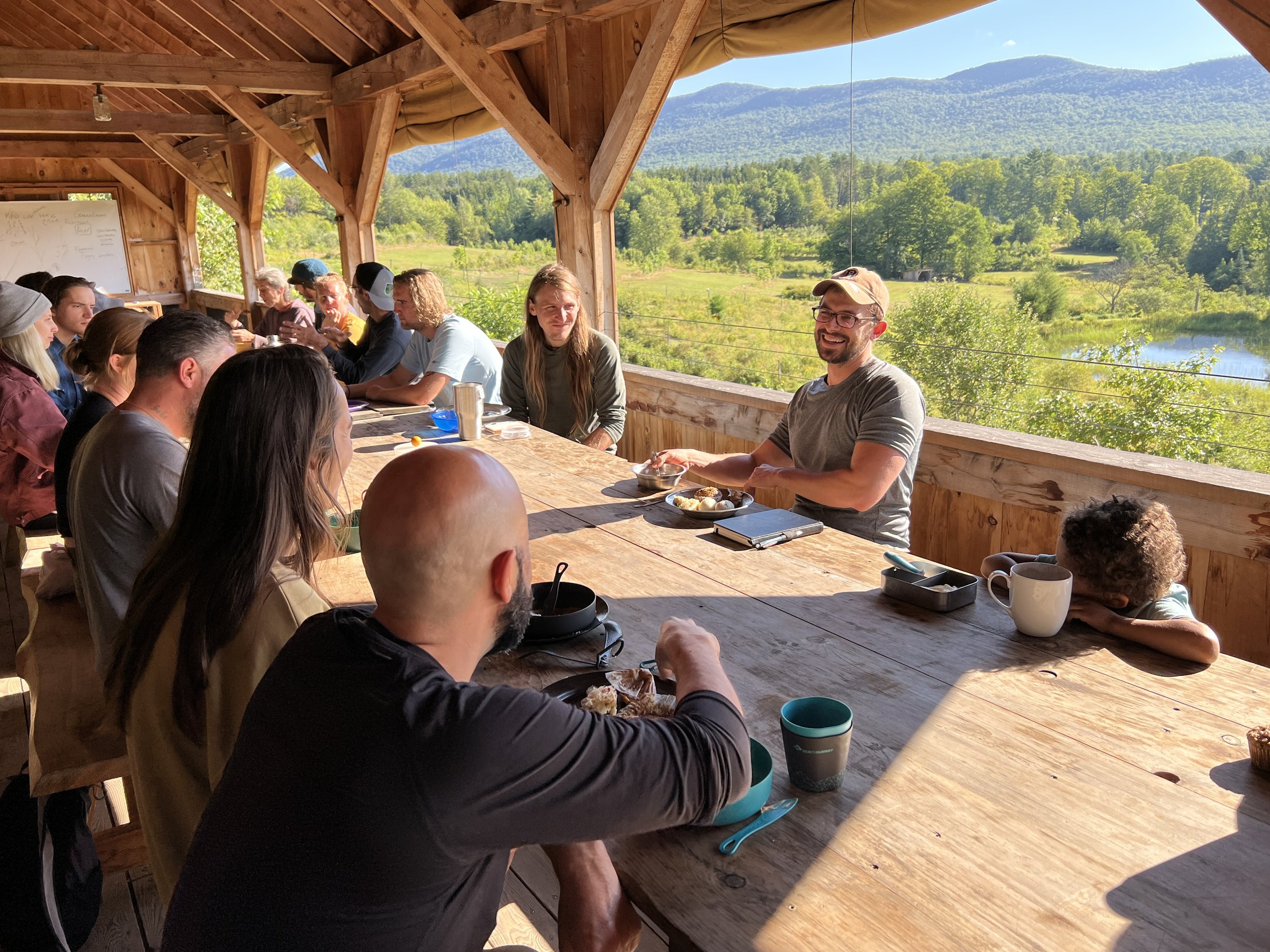
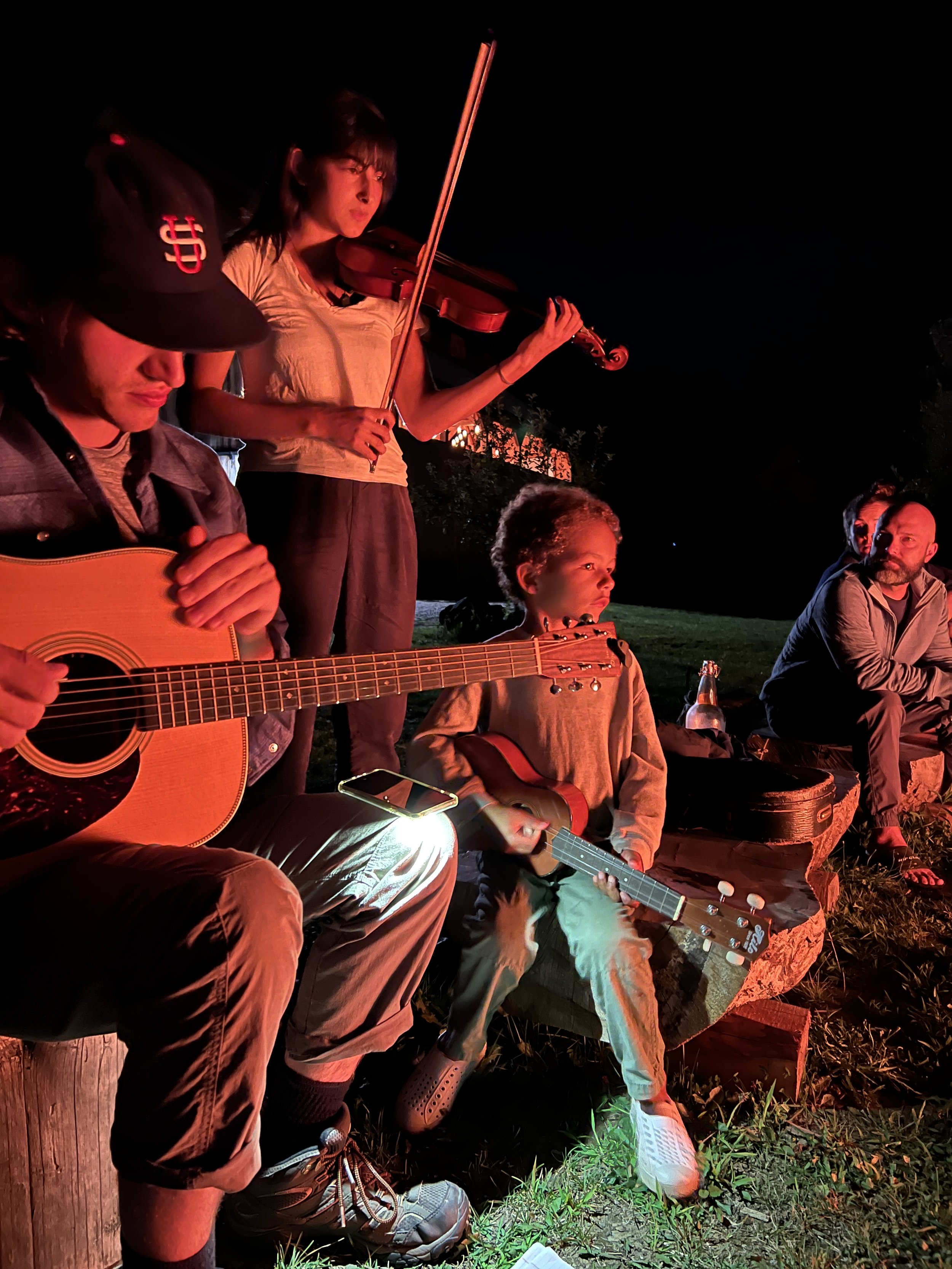
Camping and room rentals on site offer comfortable and invigorating accommodation, while nightly bonfires under some of the darkest skies (usually with a meteor shower overhead at the bonfire on the last few nights) in the Northeast US serve as backdrop for the lessons we immerse in each day.
Participants have the unique opportunity to immerse themselves in working homesteads to see and feel the opportunities and challenges that arise in developing and maintaining a productive and resilient home and land resource system.
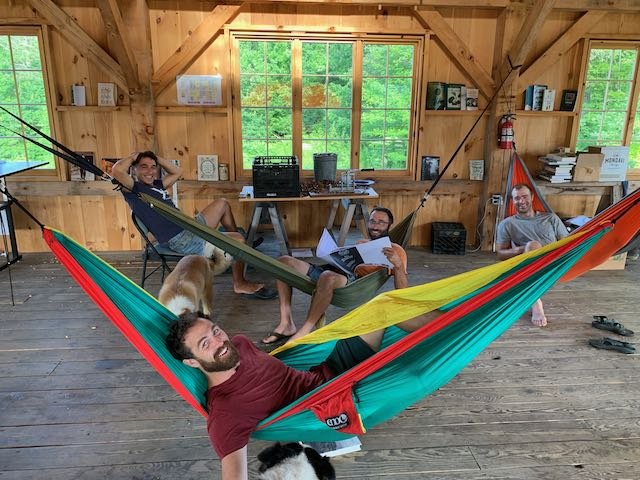
A typical evening bonfire hang


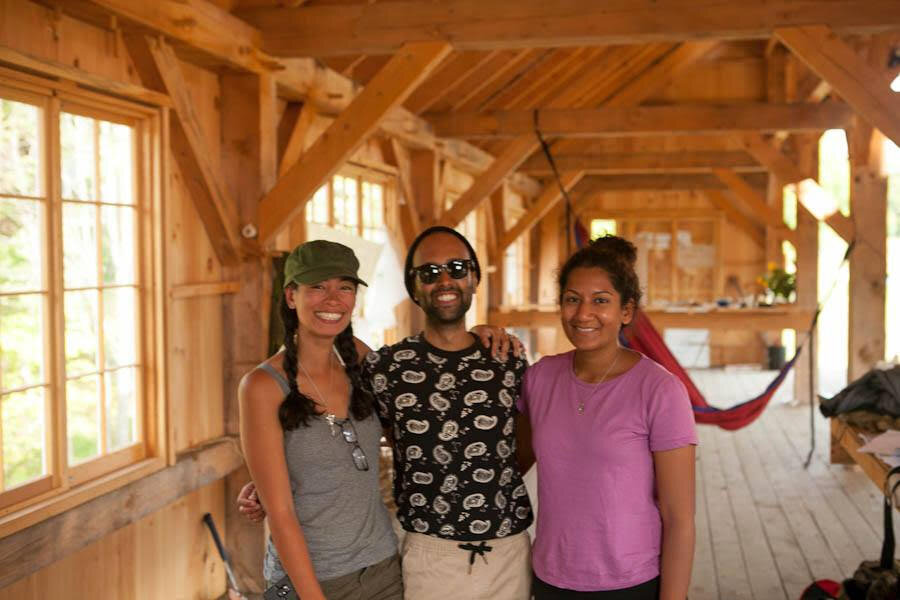
“I knew I’d learn a lot but never anticipated meeting so many incredible people and having that much fun.”
The Instructors
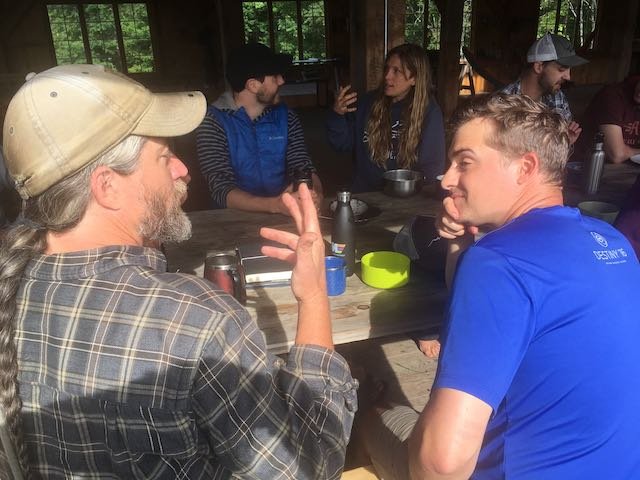
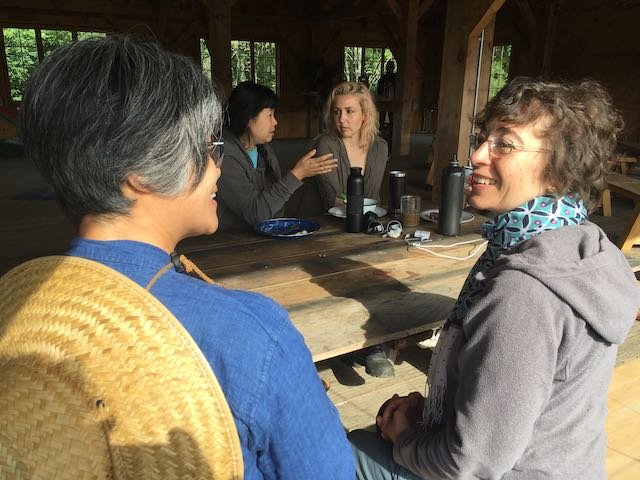
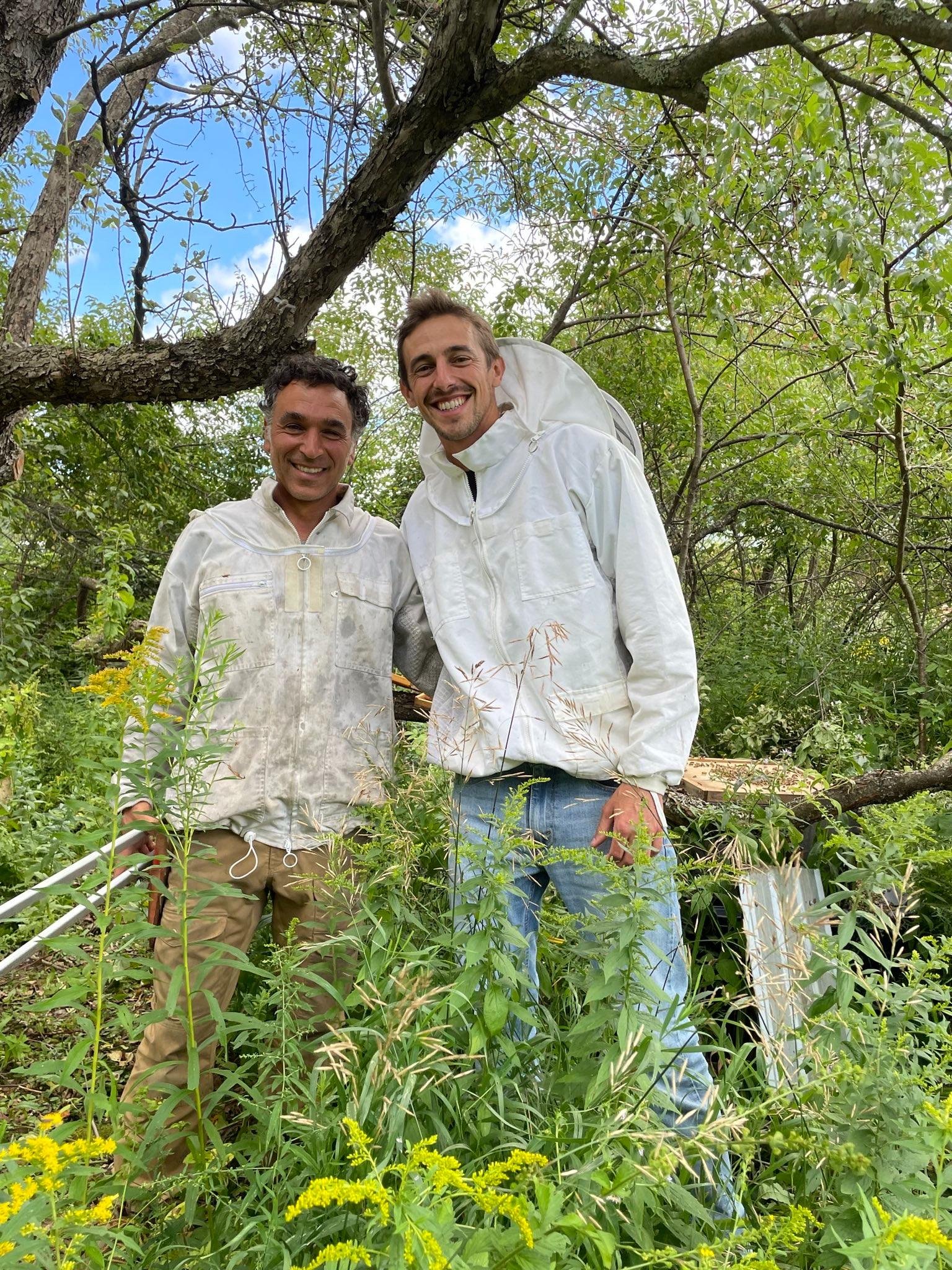
The course is staffed by those who live and make a living as designers, homesteaders, small farmers, farm consultants, and health care providers. We bring our professional experiences to the table during the course to provide students with real-world examples and applications. We provide many opportunities for peer-to-peer learning throughout the course, and expect that participants will add to our group learning as well.
Guest presentations and intensives are woven into the program and have typically included Nick Neddo on awareness, tracking and observation skills, and Sylvia Davatz on seed saving, Vivian Kaloxilos soils wizard of Docterre and others. Last year we were graced with Nancy Mellon for an evening of ancient storytelling. Most years brings a new surprise visit in this regard, adding to the diversity and timeliness of the program.


The FOOD
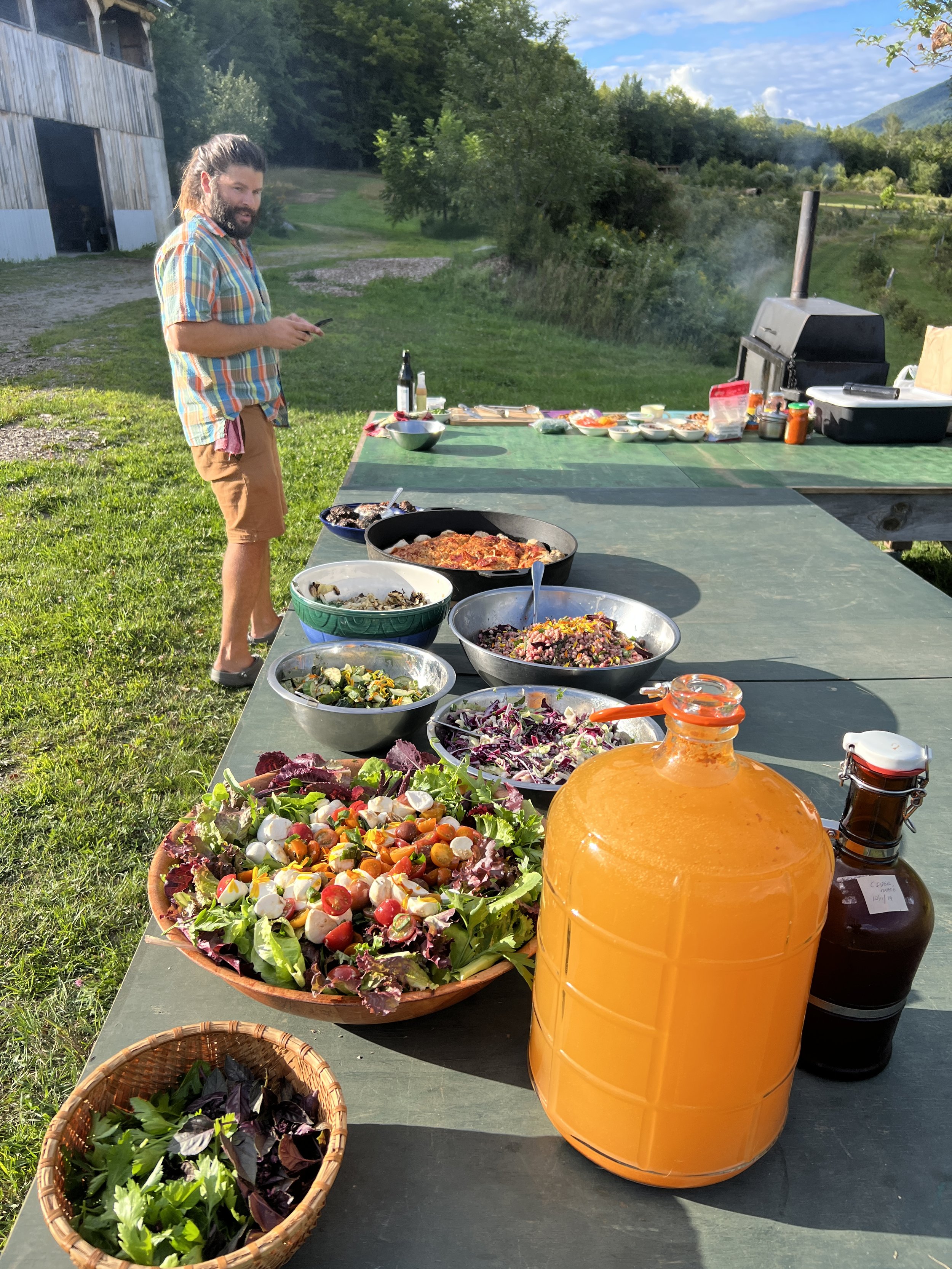
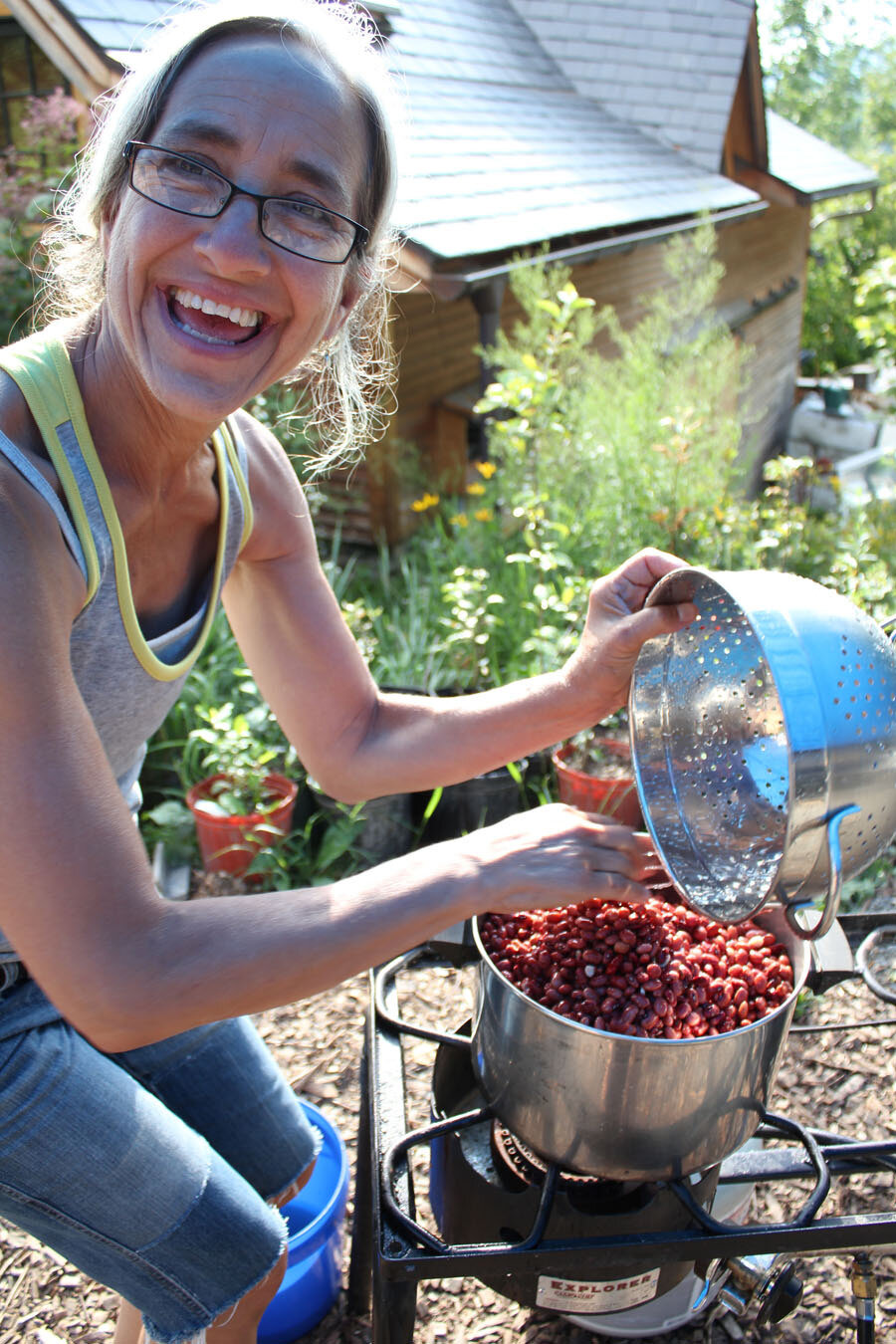
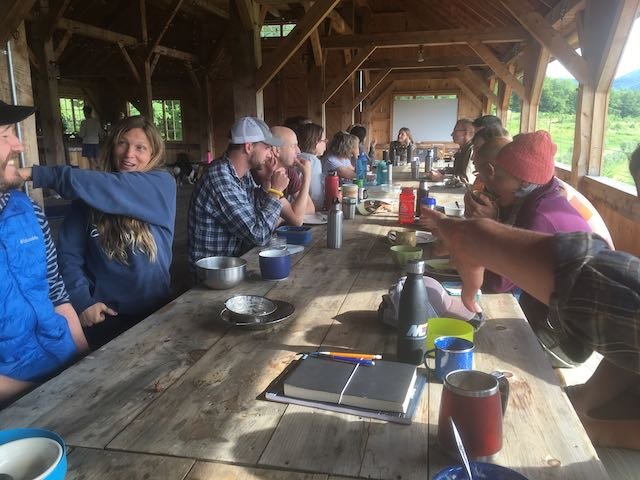
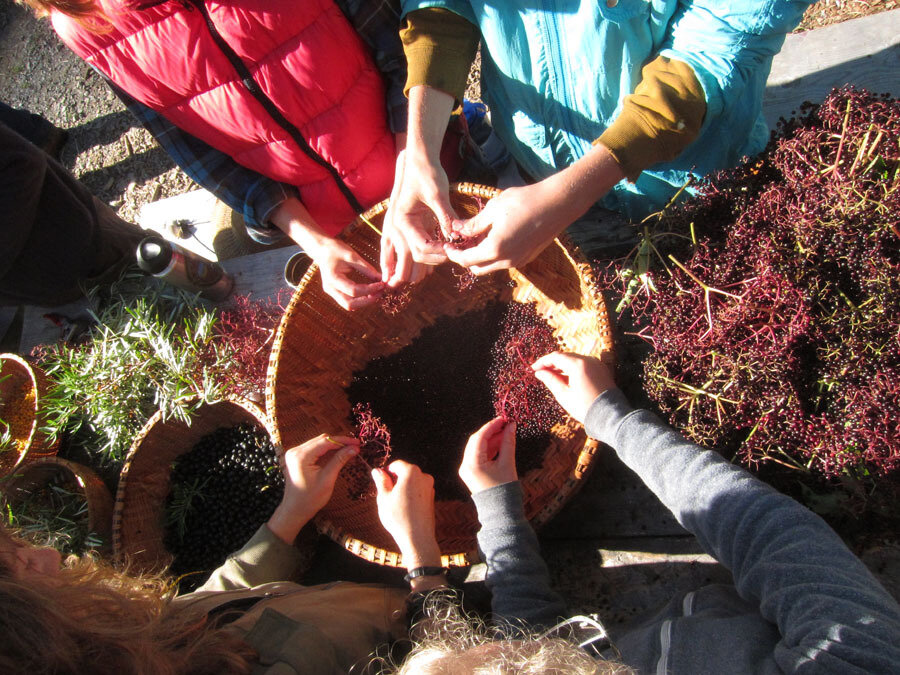
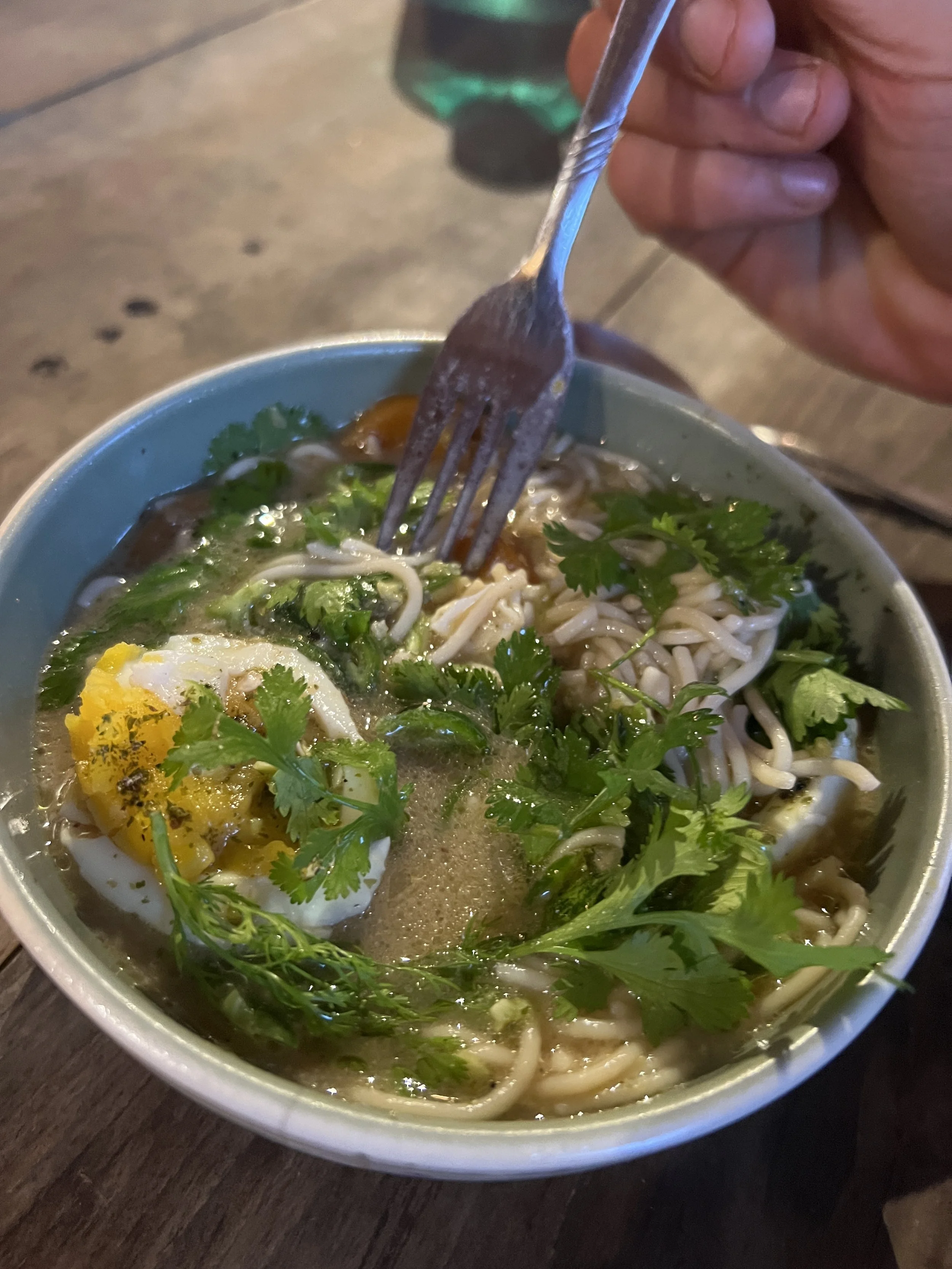
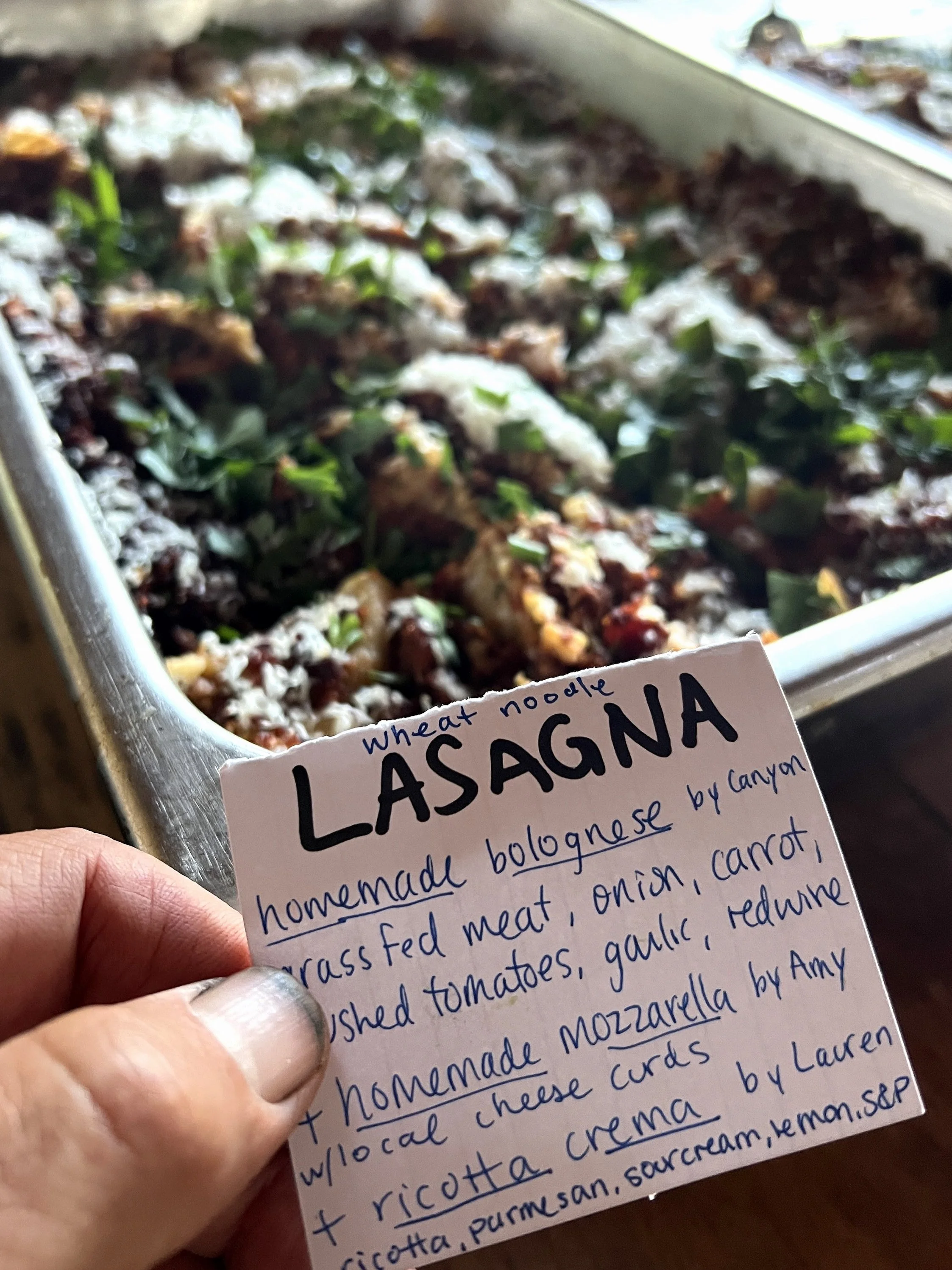
Our food offering bolsters the revitalizing nature of this experience. Three epic catered meals a day celebrate the seasonal local abundance of our sites and other nearby farms. Last year with Tyler Hess (chef and professor of Culinary Arts at CIA) and his large team from Sonoma County, CA and Maine, we managed to deliver an entirely hyper local better-than-organic complete meal offering with zero seed oils emphasizing from scratch meals of vegetables and meats, sourdough bread baked on site, house-made hot sauces, krauts, kim-chis, herbal vinegars, wild-foraged ingredients galore, bone broths, Chaga and flower teas, wild sodas, etc.), ramen bar, and more. It’s game-changing. This was no easy feat and represents a large part of the cost of delivering this experience but the food experience here backs up, rounds out and reinforces the entire program so completely that we have learned to prioritize it despite the expense. Numerous people last year reported experiencing a significant dietary and heath reset from their time here - 10 days - long enough to experience the benefits of a new intervention and set different health patterns into motion. The deep well and spring water of our top-of-watershed site may be a big part of this as well.

“This course will be a lifetime highlight.”
Testimonials
“One of the most profoundly rewarding experiences of my life.” -Ross, 2022
“Being able to see multiple functioning sites was key to visualize things better and relate to our own home.”
“Feels so good to have the skills to make concept bubble diagrams. Just did 3 versions for my grandparents home in Utah. Before the PDC with WSD I was totally stuck when it came to getting designs down on paper. Now I’m a #bubbleboss. Thank you Ben & Cornelius!” -Jeff M. 2022
"Ben, just want to say that it's taken a while for everything I learned at last summers' PDC to sink in and get digested - i think i needed the winter as a brain reboot so that information could be added to the OS! I can't believe how many things I'm doing this year that are direct applications of your PDC/videos/etc." -Glenn Barr, BC, Canada
“I was skeptical when I heard that it would change my life…not skeptical anymore!” Anon, 2022
”Profound. Immersive.” - Anon 2025
”It was a once in a lifetime experience. Magical.” - Anon, 2025
”Life changing. Shifts the mind and heart in nourishing ways.” - Anon, 2025
“Transformative, overwhelming, and then eye opening.” - Anon, 2025
“Reinvigorating, rejuvenating, inspiring.” Anon, 2025
“Paradigm shifting.” -Anon, 2025
“Expansive, challenging, nourishing, collaborative, enlightening.” Anon, 2025
"Physically, educationally and emotionally stimulating. Life-changing." -Melissa
"I knew I'd learn a lot but never anticipated meeting so many incredible people and having that much fun." -Cindy C.
"Intense, beautiful, life-changing." -Anon.
"An invaluable hands-on experience to learn more than just about permaculture, but also about essential life skills that are useful." -Anon.
"I figured I'd learn a ton, but I didn't realize that I'd be spending time in some of the most beautiful places I've ever been." -Mark G.
"Full, rich learning in many dimensions - well-balanced theory, design, hands-on, and also play. A generous offering - deeply meaningful and inspiring. Thank you!" -Anon.
"This course knocked the wind out of me and I'll be processing it for the rest of my life. It created an environment that I've never experienced before and likely never will again, and for that, I am eternally grateful." -Brian G., MA, USA
”The Whole Systems Design Permaculture Course was profoundly impactful, reshaping both how we operate our nonprofit farm and how we serve our community. While we’ve applied many concrete skills from the WSD team, the most meaningful takeaway has been a shift in mindset. Since returning, I’ve felt empowered to invite those who benefit from our farm to reconsider what it truly means to live sustainably—and to see themselves not as separate from our ecosystem, but as active participants within it. This shift, first in me and now in others around me, is helping us all step into a deeper alignment with nature as its stewards.
Today also marks the first day of our merger with Working Food—our region’s seed bank, youth education leader, and supporter of local food businesses and farmers. As Giving Garden, a Working Food Farm, we are now part of this team, helping to strengthen resilience in our local food system. Taking the WSD Course just before this transition felt divinely timed. I feel equipped to carry forward the knowledge and mindset it instilled as we move ahead together as one organization. Looking ahead, we’re working toward purchasing new land to create a food campus. Soon, I’ll have the opportunity to apply the design skills gained through the course to a fresh canvas, ensuring our new site reflects the richness of permaculture principles.”
-Meghan Boria-Meyer, Scholarship awardee 2025
2026 enrollment is now OPEN - secure your spot today
Registration and Cancellation policy:
To enroll we need to receive $350 payment - this is a reservation payment securing your spot.
Cancellation with 100% refund (minus $100 admin fee) due to medical need is honored with doctor’s note.
If one needs to cancel without medical reasoning and doctor’s note we offer the following options:
-your spot is transferable to someone else you designate (for $100 admin fee) if cancelled/conveyed 2 weeks or more ahead of course time.
-within 6 weeks of course start date all commitments are final and there are no refunds, aside from medical needs, because your spot won't likely be able to be filled at that time. (You are purchasing a space in the course that we turn others away for.)
Frequently Asked Questions
2026 enrollment is now OPEN - secure your spot today
How is this course different from others?
The Whole Systems Design permaculture design course varies from others nationally and in the area in several important ways:
It takes place on two sites - an established 22 year-old homestead and newer 14 year-old integrated food, medicine, pollinator refuge and silvopasture farm. Students see both newer plantings and 50’ tall walnuts planted at Ben and Erica’s site. They also see Mark’s site for a more commercially-oriented perennial ag focus. For those interested in improving their own home or farm, or those seeking to develop one, this offers the opportunity to learn directly from the systems here, their successes and failure points, their best aspects and those that need advancement further. Learning from a collective six decades of experience on the instructor team, as well as from directly experiencing a site 20 years+ in the making is extremely different than the more common academic encounter offered at newer sites.
It is hosted along with a professional design and planning firm - Whole Systems Design, LLC - for those in the design fields or seeking to perform professional design this offers an inside view of how a leading firm in the field functions.
A focus on hard skills through hands-on practice differentiates this course from others in the world. We send required readings out well ahead of the course date to help us cover the PDC curriculum while allowing more precious time on-site for the direct practice of skills with practitioners. This is much more hands-on practice (vs. academic or information-focused) than any other permaculture course we know of.
Is the course appropriate for graduates of other PDC's?
Yes, and we get numerous people each course who have taken others. We also get folks totally brand new to permaculture and ecological design.
Can I bring my Young child?
Maybe! Spouses attending but not enrolled enables families to come, please contact us to talk about this. Please respect the general screen-free nature of everyone’s experience while here.
Is there camping on-site?
Yes, indeed, camping in gorgeous meadows with mountain views and sunrises included.
Can I bring pets?
No, sorry.
I have some professional obligations during the course, can I access wifi?
Yes, certainly. We have fast and reliable fiberoptic internet and some students have had to make commitments (ideally in the evening) via wifi in the farm house on site. One can access the wifi regularly if family or other needs require but we do encourage an immersive “mentally-here” focus.
Is the course screen-free?
Largely, yes. An unintentional but not small value in this experience comes from everyone being present to each other during these ten days. The lack of wifi/cellular connections and lack of time available for this, replaced by engagement in the subject material and in one another is enormously beneficial. There is no policy of avoiding screens in place but the general avoidance of them during the course is deeply appreciated by all. And if you bring children please keep this in mind.
Can I rent a room instead of camping?
Yes, When rooms are still available (they book up), please ask about it when registering.
How do I get to the site? How easy is it to travel to the site?
Car: Straightforward.
Train: A train gets 40 minutes away from the site via NYC, to either Rutland or Burlington.
Plane: Burlington Vermont (BTV) is the closest airport. We send directions in the welcome package.
If I am in a wheelchair or have other physical differences, can I attend?
Yes, we've worked hard to help make that happen for folks in the past with good results.
What about unusual dietary needs?
We accommodate vegan, vegetarian, gluten and dairy free. Beyond this may be challenging for you but some folks bring supplemental foods if they have such needs and that works out well. We have fridges for use on site.
Will coffee be available too?
The food plan includes good very dark coffee at breakfast and a tea station almost always available, but serious coffee drinkers bring a kit for later doses if needed.
